cocktaildna

Naturns, Italy · 2005

Hugo Spritz

Also known as Hugo, Hugo Cocktail

A light, floral spritz that mixes elderflower liqueur with Prosecco and a splash of soda.

floralelderflowerbubblyrefreshingsweetlightmintyprosecco

%

ABV

Difficulty

Hugo Spritz

Overview

What this drink is like

The first sip is sweet and floral with a burst of bubbles. The middle softens into a gentle citrus and mint freshness, and the finish is short, clean, and slightly sweet.

Who will like it

For people who like light, sweet, and floral drinks without any bitterness.

When to drink

Drink this on a warm afternoon as an aperitif or at a casual brunch.

Ordering tip

Ask for extra soda and a squeeze of lime if you want to cut the sweetness down a bit.

Ice: CubedTemp: ColdCost: $2–$5Glass: Wine GlassBatch-friendlyHome bar friendly

Flavor

Taste profile

This is a very easy-drinking, sweet, and floral cocktail that goes down like cold soda on a hot day. The elderflower dominates, tasting a bit like lychee and honey, while the mint and lime just add a bit of fresh breath to the finish. It's not a drink for deep contemplation, but it hits the spot when you want something light and bubbly.

Finish: The finish is short and clean, leaving a lingering floral sweetness and a hint of mint.

Primary tastes

floralsweetfruity

Secondary

herbalsour

Aroma

elderflowermintcitrus
  • Sweetnessfairly sweet

    The elderflower liqueur brings a lot of sugar, making this a noticeably sweet drink.

  • Sournesslow acidity

    Only a faint tartness from the lime garnish and the Prosecco touches the palate.

  • Strengthlow ABV

    This is a light session drink, mostly wine and soda, so the alcohol barely registers.

  • Refreshingvery refreshing

    The ice, bubbles, and mint make this extremely thirst-quenching and cooling.

  • Complexitylow complexity

    It's a straightforward sweet and floral profile without much layering or evolution.

Recipe

Make it at home

Built · Wine Glass · equal parts on Prosecco. Brut or Extra Dry recommended to balance the elderflower

Before you start

Chill your glass in the freezer for a few minutes if you have time, and make sure your Prosecco and soda are cold.

Ingredients

  • ProseccoBase SpiritChilled90ml
  • Elderflower LiqueurLiqueurSt-Germain or similar20ml
  • Soda WaterSodaChilled30ml
  • Mint LeavesGarnish4-5 leaves
  • Lime SliceGarnish1 slice

Garnish: Mint sprig, Lime slice

Tools

  • Large Wine Glass · Serving

    To hold the large volume of liquid and ice

    At home: Any large glass bowl or pitcher if making a batch

  • Jigger · Measuring

    To measure the elderflower liqueur and Prosecco

    At home: Shot glass or measuring spoon

  • Bar Spoon · Mixing

    To gently stir the drink without losing the carbonation

    At home: Long dinner knife or chopstick

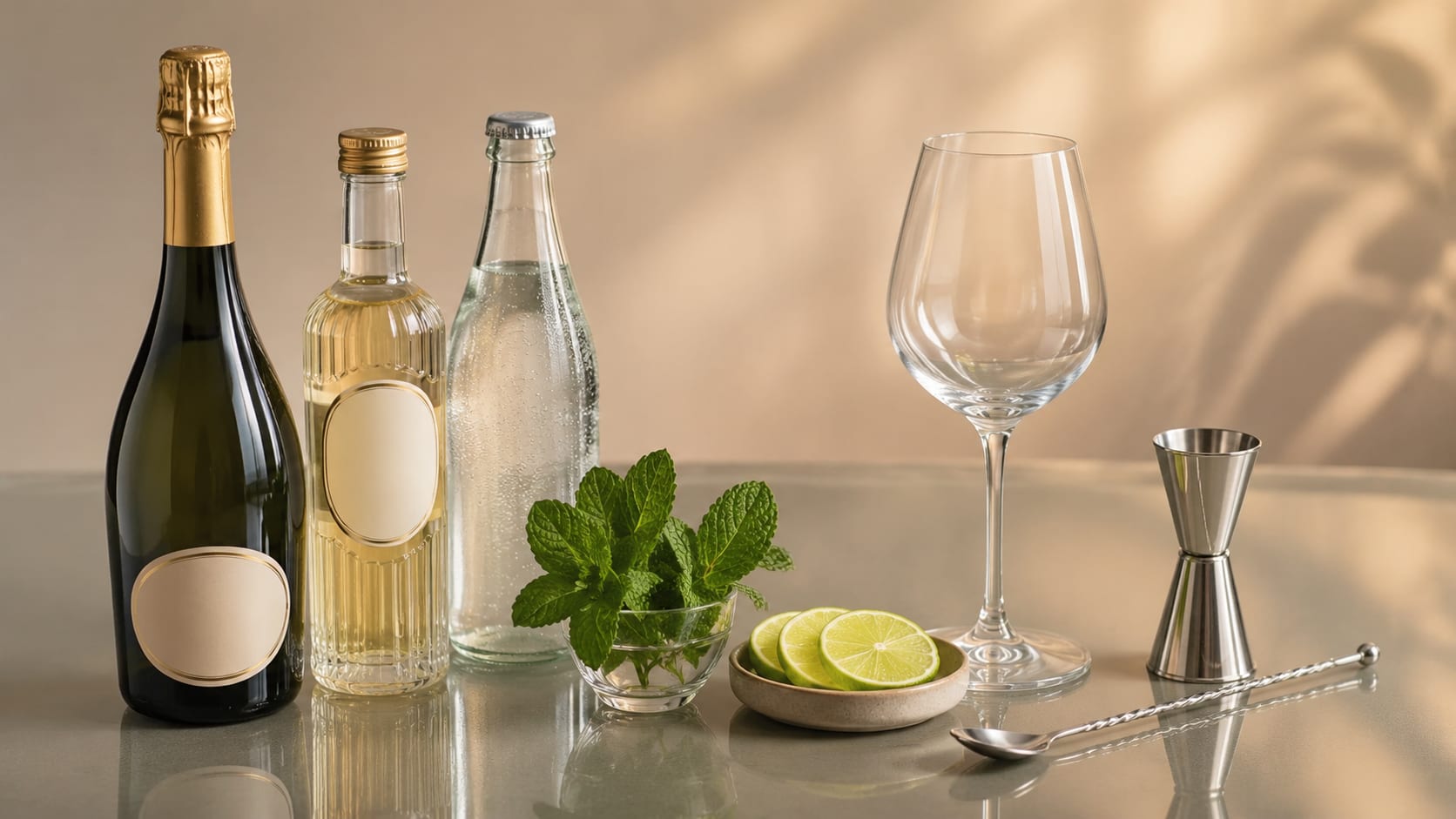
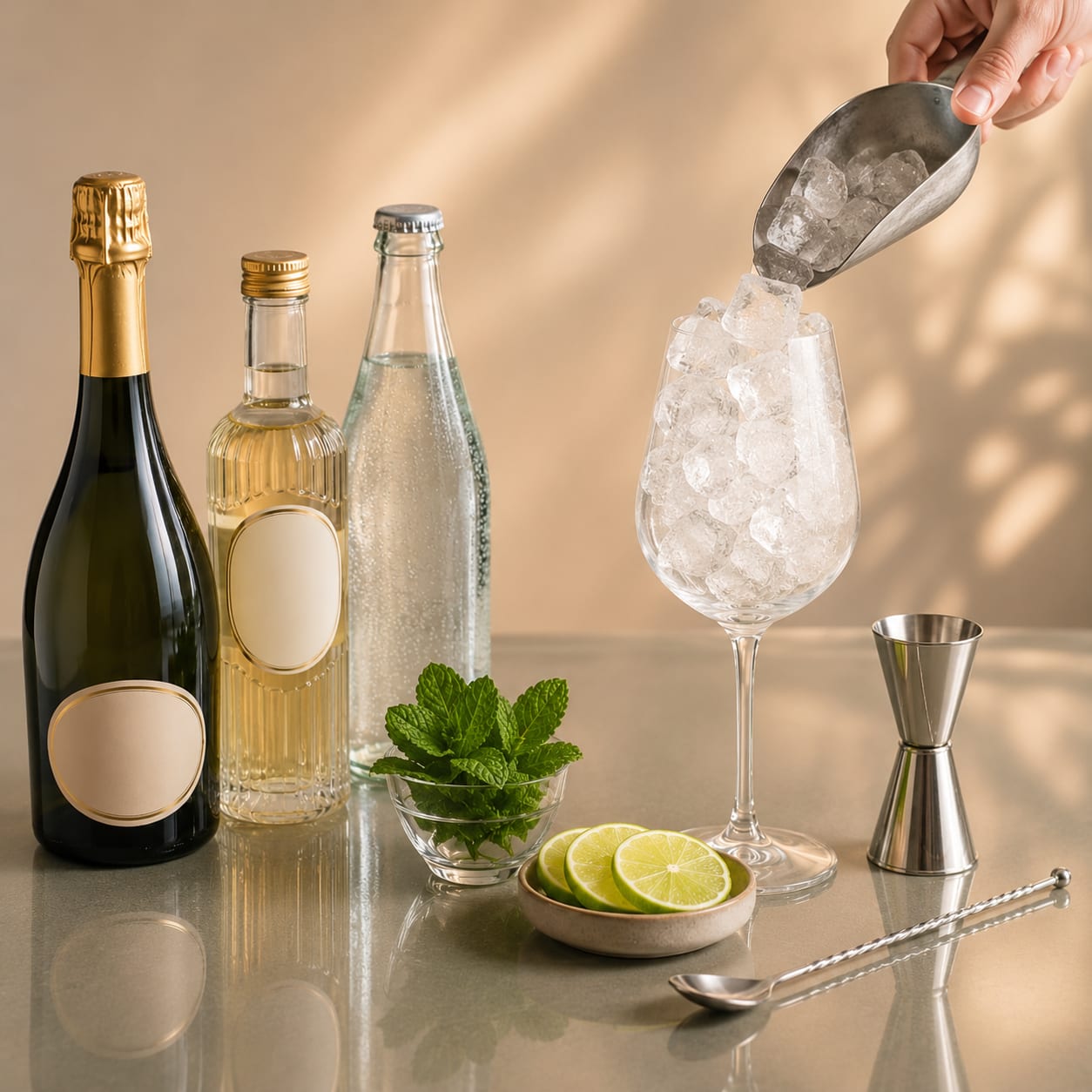
Ingredients and tools to make Hugo Spritz
Ingredients and tools

Steps

  1. 1

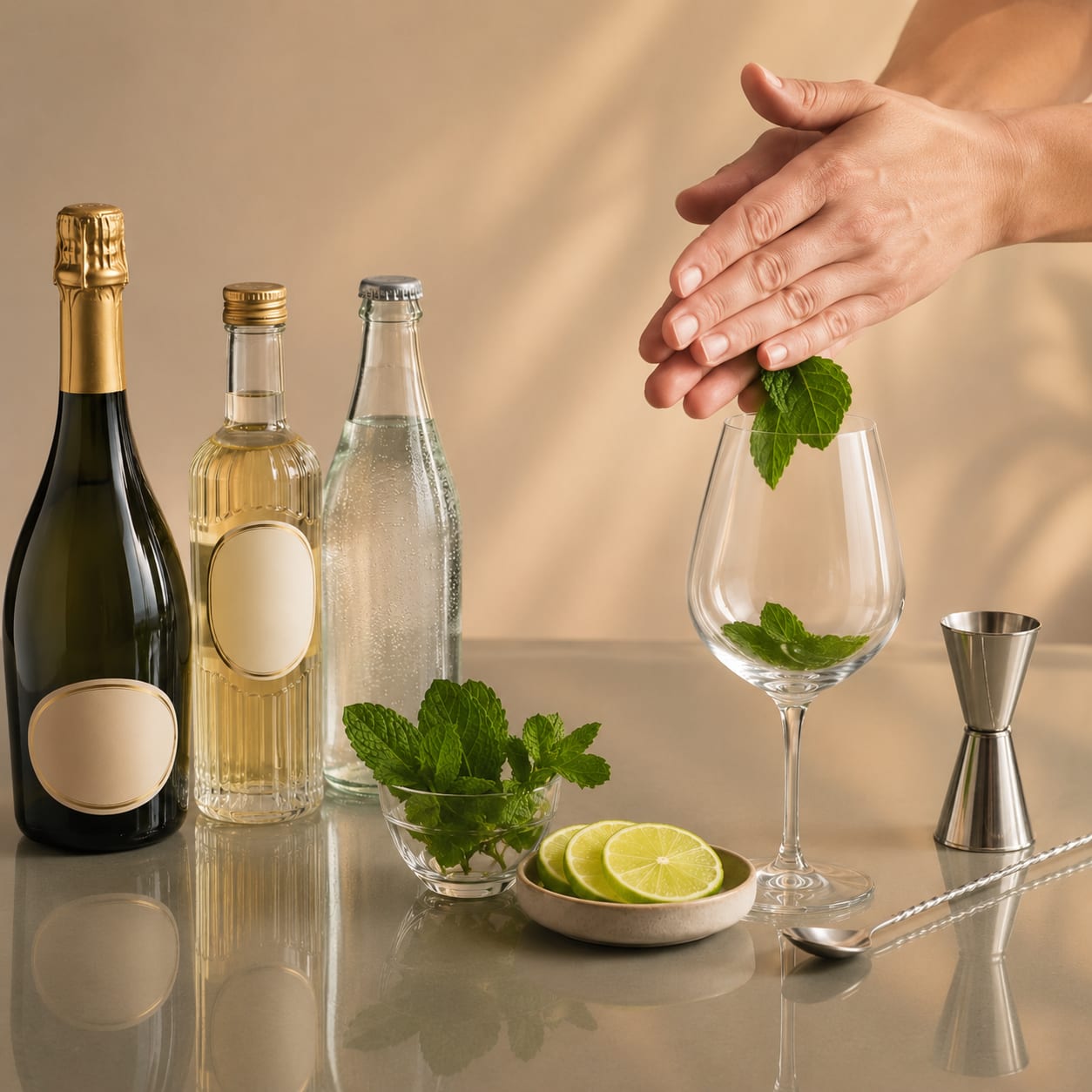
    Take 4 or 5 mint leaves and slap them between your palms once to wake up the oils, then drop them into the bottom of your glass. You just want to bruise them, not tear them to bits.

    Step 1 — how to make Hugo Spritz

    !Tearing the mint instead of bruising it releases chlorophyll and makes the drink taste grassy.

  2. 2

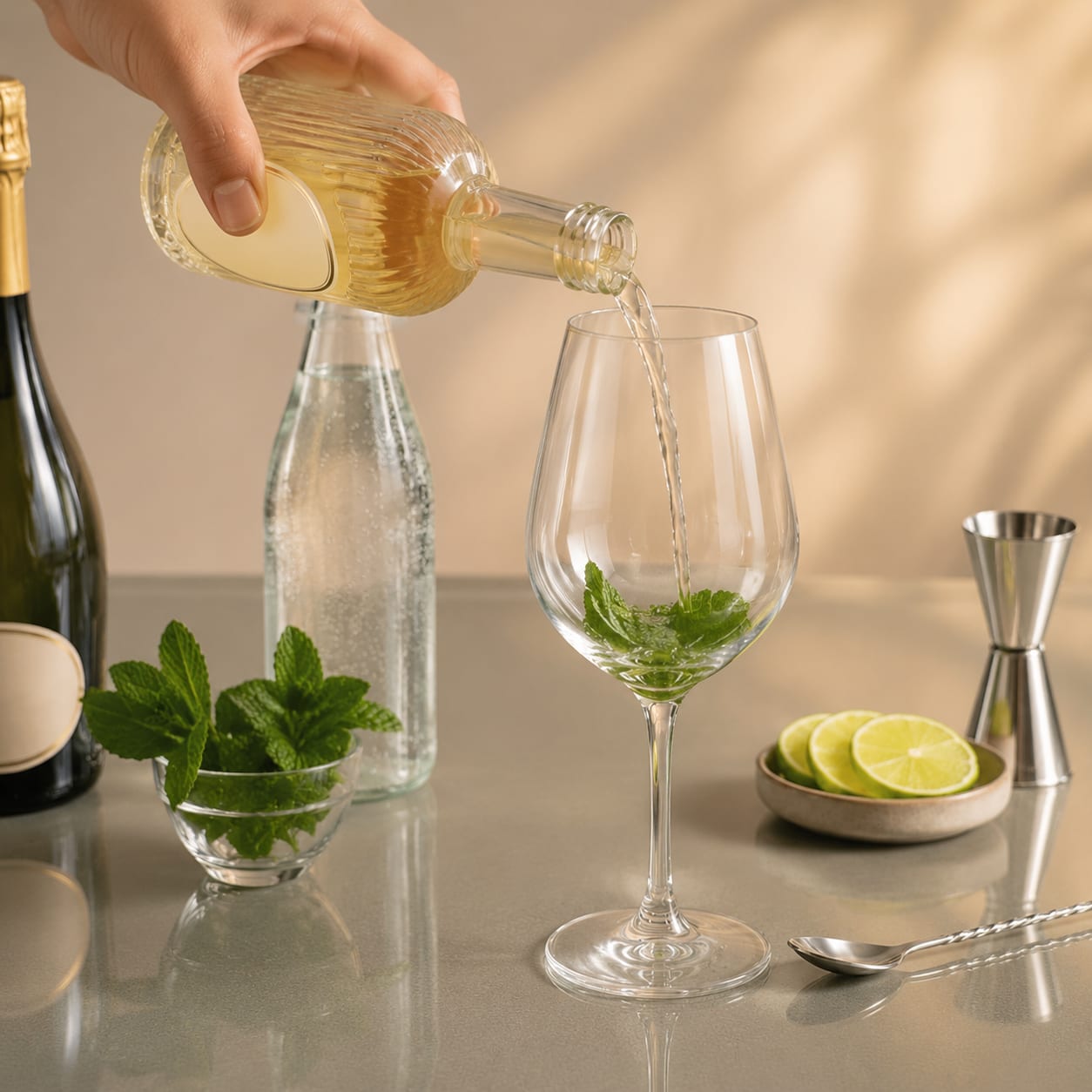
    Pour 20ml of elderflower liqueur over the mint in the bottom of the glass. This gives the mint a moment to infuse while you get the ice ready.

    Step 2 — how to make Hugo Spritz

    !Pouring the liqueur on top of the ice makes it harder to mix into the wine later.

  3. 3

    Fill the glass to the top with ice cubes. A full glass of ice keeps the drink colder and prevents it from going flat too quickly.

    Step 3 — how to make Hugo Spritz

    !Using too little ice makes the drink warm up and go flat fast.

  4. 4

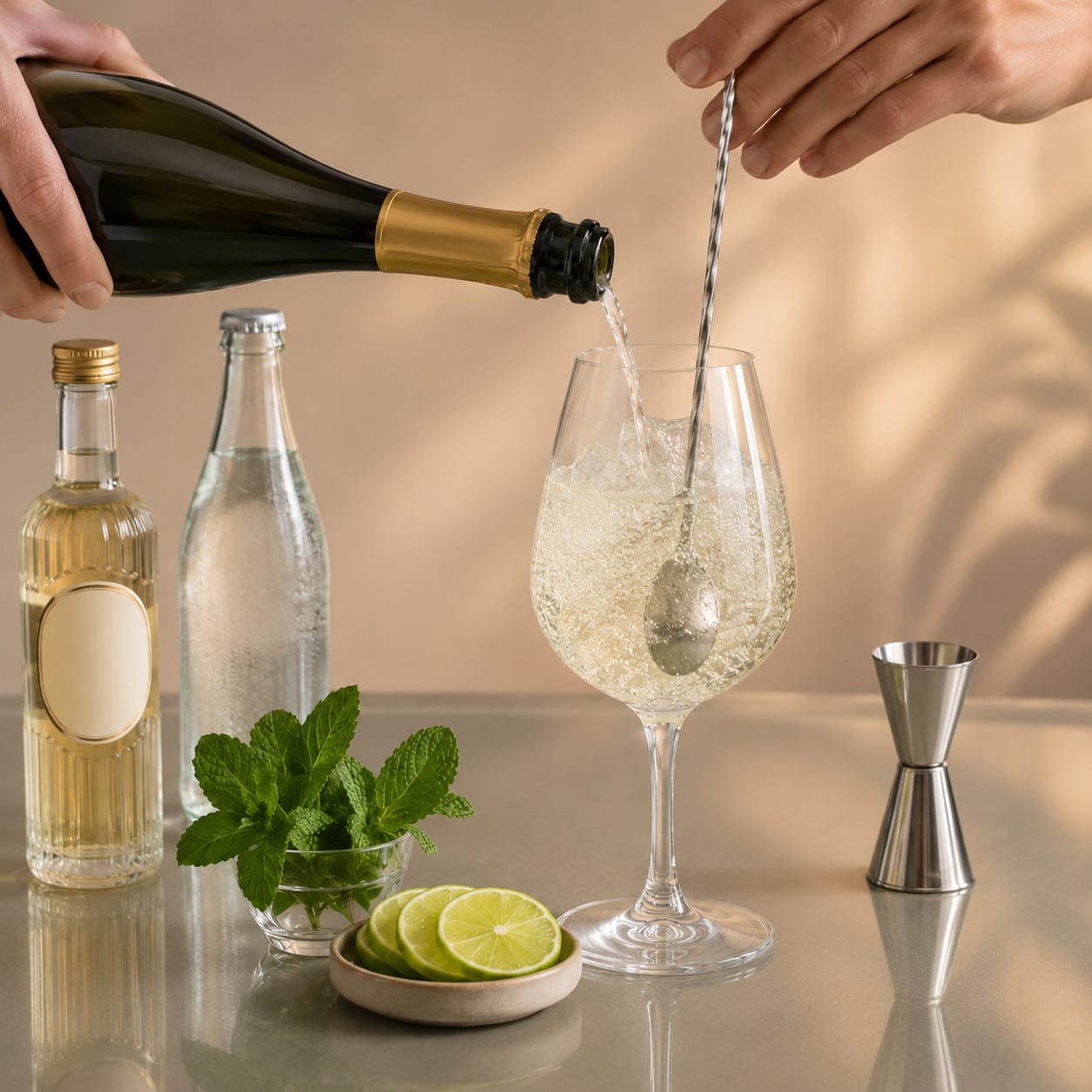
    Pour 90ml of Prosecco slowly over the ice, followed by 30ml of soda water. Give it one gentle stir from the bottom with a bar spoon just to mix the elderflower through the wine—you'll see the bubbles start to rise.

    Step 4 — how to make Hugo Spritz

    !Stirring too aggressively knocks the bubbles out of the Prosecco.

  5. 5

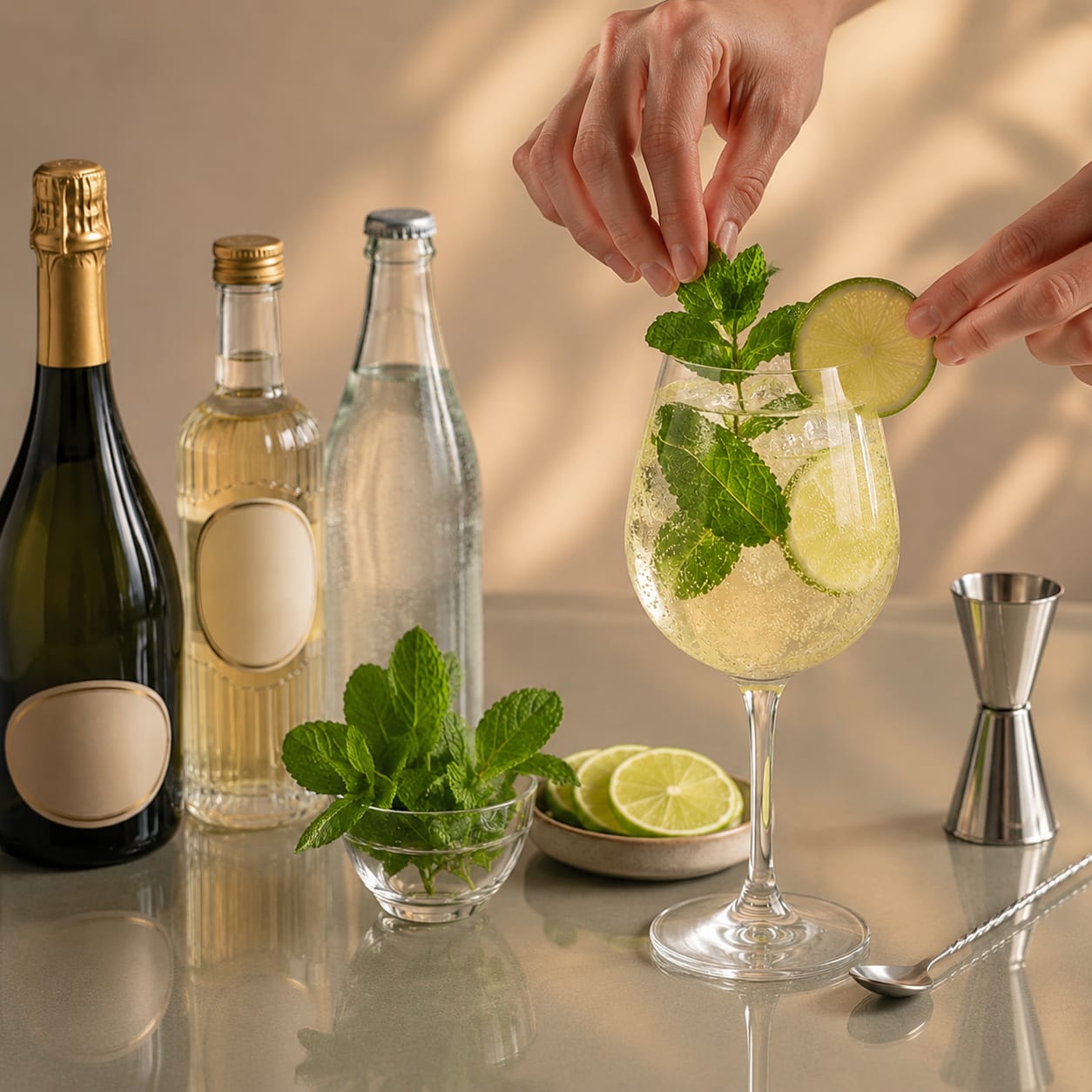
    Tuck a sprig of mint into the ice and rest a lime slice on the rim. Serve it right away while it's still bubbling.

    Step 5 — how to make Hugo Spritz

    !Leaving out the lime garnish makes the drink taste overly sweet and one-dimensional.

Serve

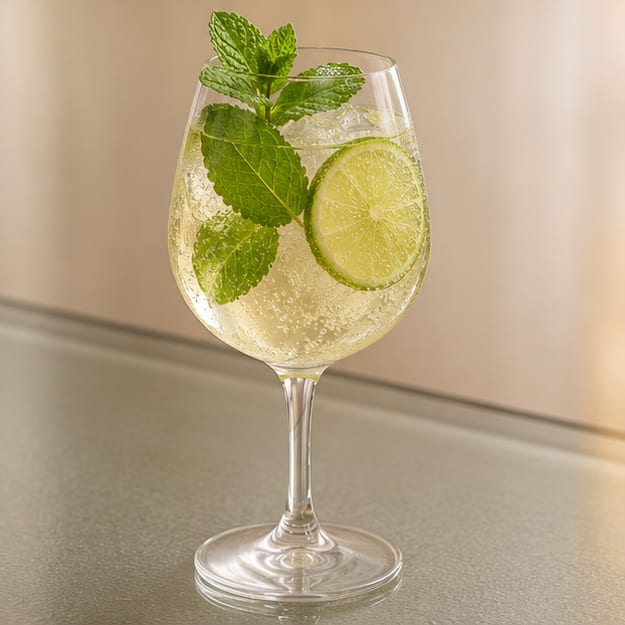
Serve it in a large wine glass filled with ice, garnished with mint and lime. Drink it while the bubbles are lively.

Variations

Ingredient substitutions

Each row shows what you can swap in place of an original ingredient, and how the drink changes.

Swap options for Elderflower Liqueur

  • Elderflower LiqueurElderflower Syrup
    Match
    Common availability

    Elderflower LiqueurElderflower Syrup: Makes the drink sweeter and lower in alcohol since syrup has no ABV.

Swap options for Prosecco

  • ProseccoCava
    Match
    Common availability

    ProseccoCava: Adds a slightly toastier, more citrus-driven flavor instead of soft pear.

Swap options for Mint Leaves

  • Mint LeavesBasil Leaves
    Match
    Common availability

    Mint LeavesBasil Leaves: Gives a slightly peppery, savory edge instead of the cool sweetness of mint.

Related

Similar cocktails

Cousin drinks that share DNA with this one — each profile stands on its own.

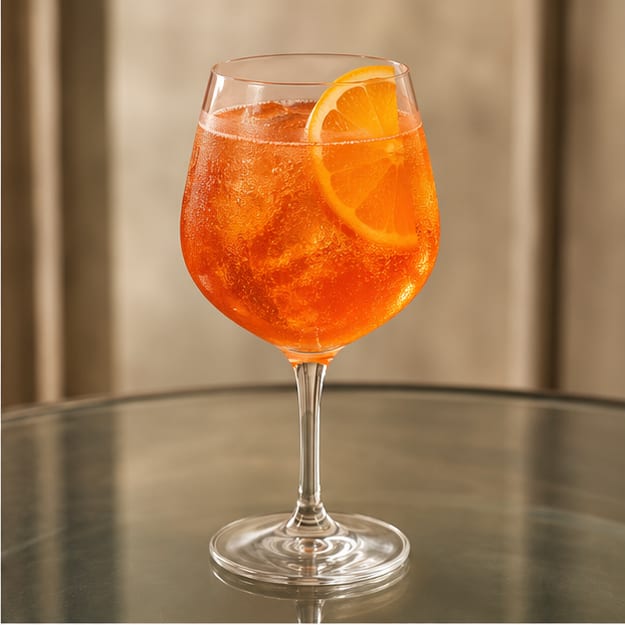
Aperol Spritz

Similar cocktail

Aperol Spritz

Hugo Spritz uses elderflower liqueur instead of the bitter Aperol.

Match

The Hugo is a sweeter, floral alternative for drinkers who don't like the bitterness of the Aperol Spritz.

In common: bubbly, low ABV, built in wine glass, served over ice

Ingredients

Both share

Prosecco, Soda Water

Only in Hugo Spritz

Elderflower Liqueur, Mint Leaves, Lime Slice

Only in Aperol Spritz

Aperol, Orange Slice

The Hugo swaps out the bitter orange Aperol for sweet elderflower liqueur, and uses mint and lime instead of an orange garnish.

Flavor

Shared flavors

Both are light, bubbly, and refreshing with a low alcohol content.

How Aperol Spritz differs

Hugo is sweet and floral, whereas Aperol Spritz is bitter and orange-forward.

View recipe & details →
St-Germain Spritz

Similar cocktail

St-Germain Spritz

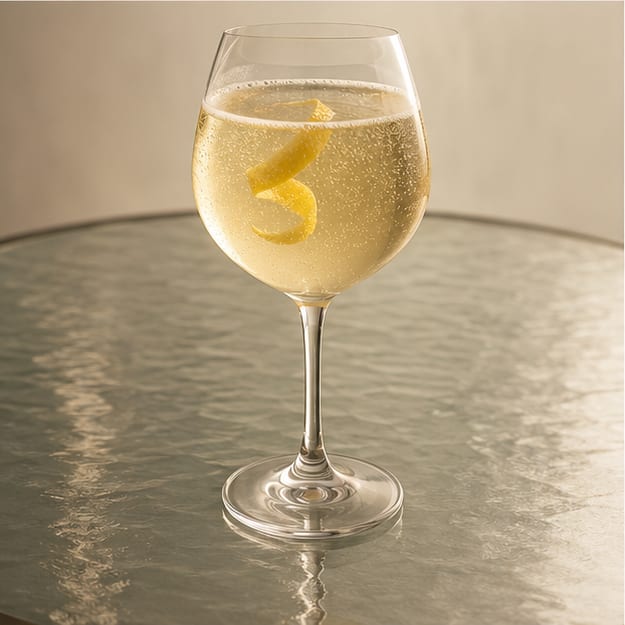
They are essentially the same drink, though a St-Germain Spritz often includes a lemon twist instead of mint and lime.

Match

They taste almost identical, but the mint in the Hugo gives it a slightly cooler finish compared to the purely citrus St-Germain Spritz.

In common: elderflower forward, bubbly, low ABV

Ingredients

Both share

Elderflower Liqueur, Prosecco, Soda Water

Only in Hugo Spritz

Mint Leaves, Lime Slice

Only in St-Germain Spritz

Lemon Twist

The only real difference is the garnish; Hugo uses mint and lime, while a standard St-Germain Spritz uses a lemon twist.

Flavor

Shared flavors

Both are sweet, floral, and bubbly with an elderflower backbone.

How St-Germain Spritz differs

Hugo has a slightly cooler, herbal edge from the mint.

View recipe & details →

History

Origin

Roland Gruber created the Hugo in 2005 at the San Zeno bar in Naturns, South Tyrol. He originally made it with Sambuca and mint, but the drink became famous once elderflower syrup or liqueur replaced the Sambuca.

Creator
Roland Gruber
Era
2000s
Confidence

The original 2005 recipe used Sambuca instead of elderflower, but the elderflower version is the universally recognized standard today.

Practical

Tips & pitfalls

What works at home and what to skip when making this drink.

Tips

Worth knowing before you pour

  • Slap the mint before adding it to release the oils.
  • Use a dry Prosecco to keep the drink from getting too sweet.
  • Stir gently so you don't kill the bubbles.

Avoid

Common mistakes

  • Don't muddle the mint aggressively or it will taste muddy.
  • Don't use a sweet Prosecco or the drink will be cloying.