cocktaildna

New York, United States · 1862

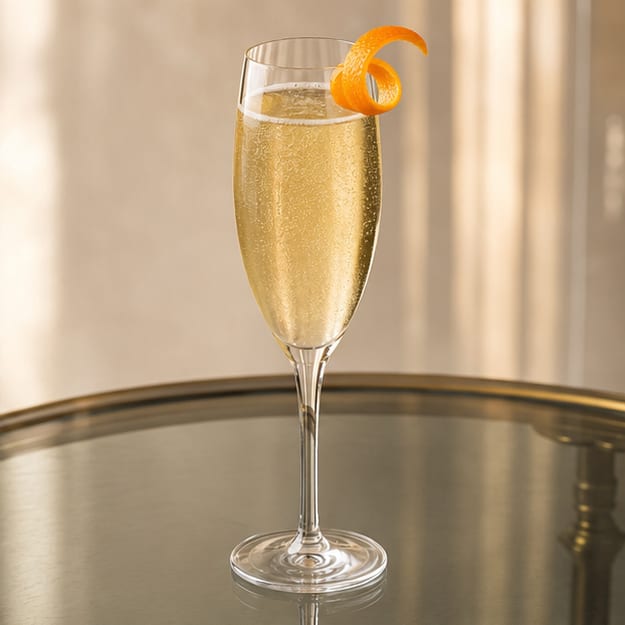
Champagne Cocktail

Also known as Classic Champagne Cocktail

A simple, elegant drink that turns a glass of bubbly into something richer with just a sugar cube and bitters.

bitterspicedsparklingdrycelebratoryaperitifbrunch

%

ABV

Difficulty

Champagne Cocktail

Overview

What this drink is like

The first sip hits with dry toast and a sharp, bitter bite from the Angostura. As the sugar cube melts, the middle rounds out into a soft, spiced sweetness that tames the wine's acidity. The finish is dry again, with warm baking spices lingering on the back of your tongue.

Who will like it

Great for people who like dry sparkling wine but want a hint of Old Fashioned-style spice and sweetness without a heavy spirit kick.

When to drink

Pour this when you want something celebratory but slow-sipping, like a brunch toast or the start of a fancy evening out.

Ordering tip

Ask the bartender to use a brut Champagne if you want it dry, or a sweeter Prosecco if you prefer it on the softer side.

Ice: NoneTemp: ColdCost: $12–$25Glass: FluteHome bar friendly

Flavor

Taste profile

This drink shifts as you sip it. It starts out with a sharp, bitter bite from the bitters-soaked sugar, then softens as the sugar melts into the wine, rounding out the dry bubbles with a warm, spiced sweetness. By the time you reach the bottom, the sugar is mostly gone and the drink finishes dry and toasty again. It is light and fizzy, but the spices give it more depth than a plain glass of bubbly.

Finish: The finish runs dry and crisp, with the warm cinnamon and clove notes from the bitters lingering after the bubbles fade.

Primary tastes

bittersweet

Secondary

fruityfloral

Aroma

baking spicesorange oiltoasted bread
  • Bitternessmoderately bitter

    The Angostura gives a noticeable bitter spice that hits right away but fades as the sugar melts.

  • Sweetnessbalanced sweetness

    The sugar cube provides a slow-building sweetness that balances the bitter spice and dry wine.

  • Sournesslow acidity

    The wine brings a tart edge, but there is no citrus juice, so the sourness stays in the background.

  • Strengthlow alcohol

    Champagne sits around 12 percent ABV, and the small amount of Cognac barely moves the dial, making this a lighter drink.

  • Refreshingvery refreshing

    Cold, fizzy, and dry, this drink drinks like a dressed-up glass of sparkling wine on a warm day.

  • Creaminesslight body

    The drink is crisp and sharp with tiny bubbles, though the dissolving sugar adds a slight weight to the mid-palate.

  • Complexitylayered

    It starts sharp and bitter, slowly shifts to spiced and sweet, and finishes dry, giving you three distinct phases in one glass.

Recipe

Make it at home

Built · Flute · equal parts on Champagne. Brut or Extra Brut recommended to balance the sugar

Before you start

Make sure your Champagne is well chilled before you start. Have your orange peel ready to go so you can garnish right away.

Ingredients

  • ChampagneBase SpiritAny dry sparkling wine works well120ml
  • Angostura BittersBitters2-3 dashes
  • Sugar CubeOther1 piece
  • CognacoptionalBase SpiritTraditional float, adds warmth and body15ml
  • Orange TwistGarnish1 twist

Garnish: Orange twist

Tools

  • Champagne Flute · Serving

    Holds the drink and keeps the bubbles concentrated

    At home: White wine glass

  • Jigger · Measuring

    Measures the Cognac if you are using it

    At home: Measuring spoons

  • Bar Spoon · optional · Mixing

    Stirs the drink gently without killing the bubbles

    At home: Long teaspoon or chopstick

  • Citrus Peeler · optional · Garnish

    Cuts a clean strip of orange peel for the garnish

    At home: Vegetable peeler or paring knife

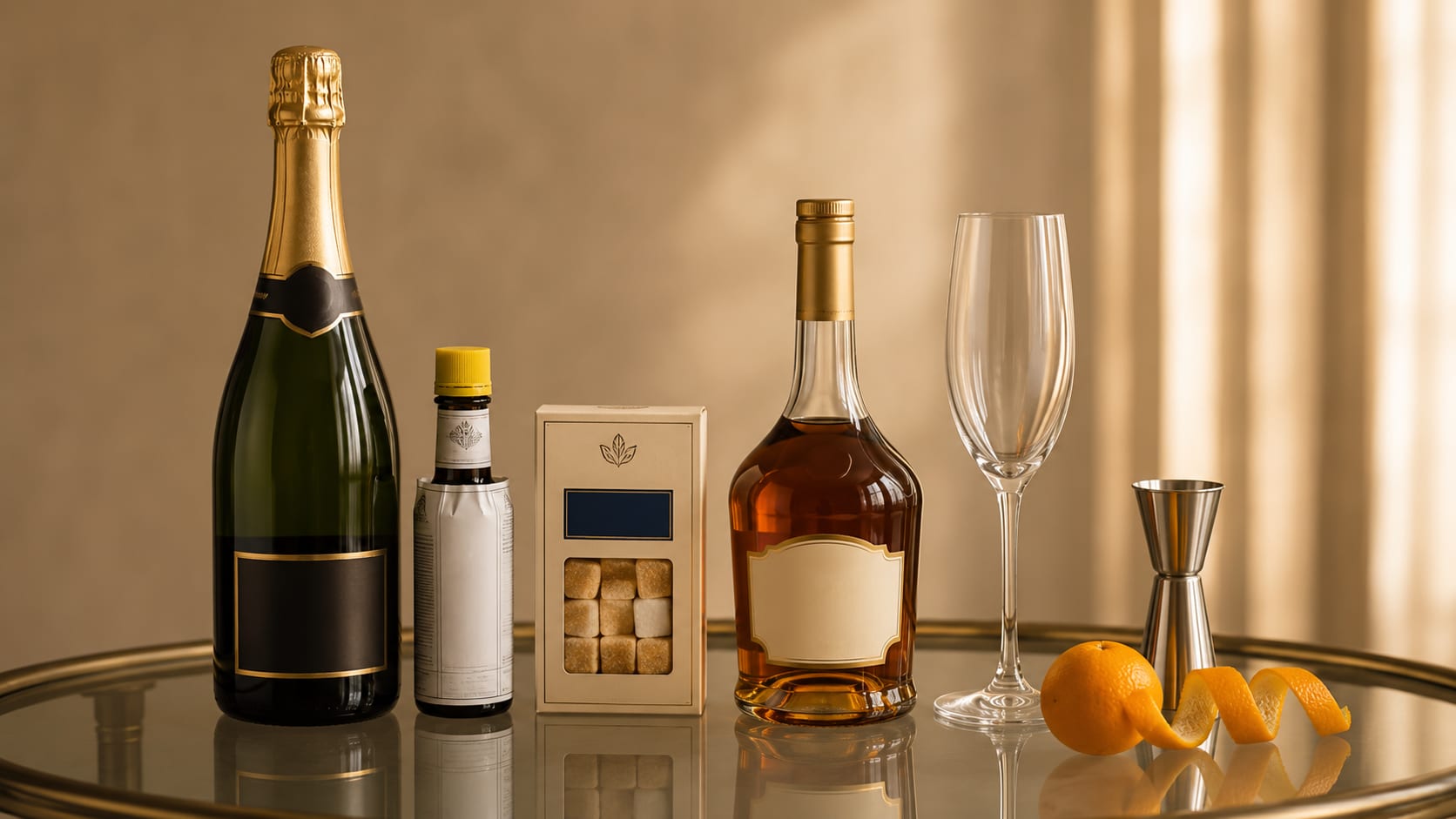
Ingredients and tools to make Champagne Cocktail
Ingredients and tools

Steps

  1. 1

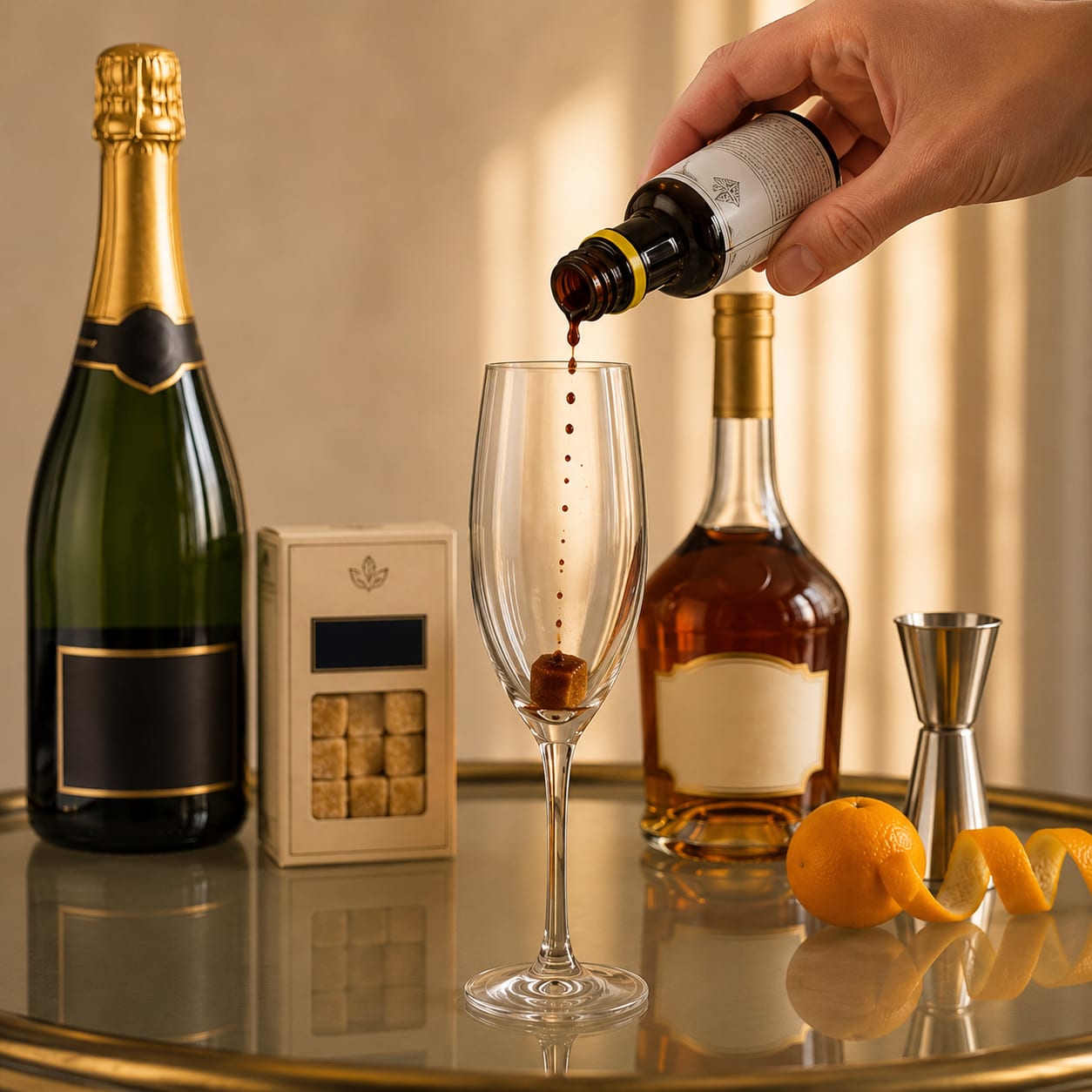
    Drop one sugar cube into the bottom of a chilled Champagne flute. Shake 2 or 3 dashes of Angostura bitters directly onto the cube until it soaks them up and turns dark brown.

    Step 1 — how to make Champagne Cocktail

    !Using too many dashes of bitters can overpower the delicate wine and make it taste medicinal.

  2. 2

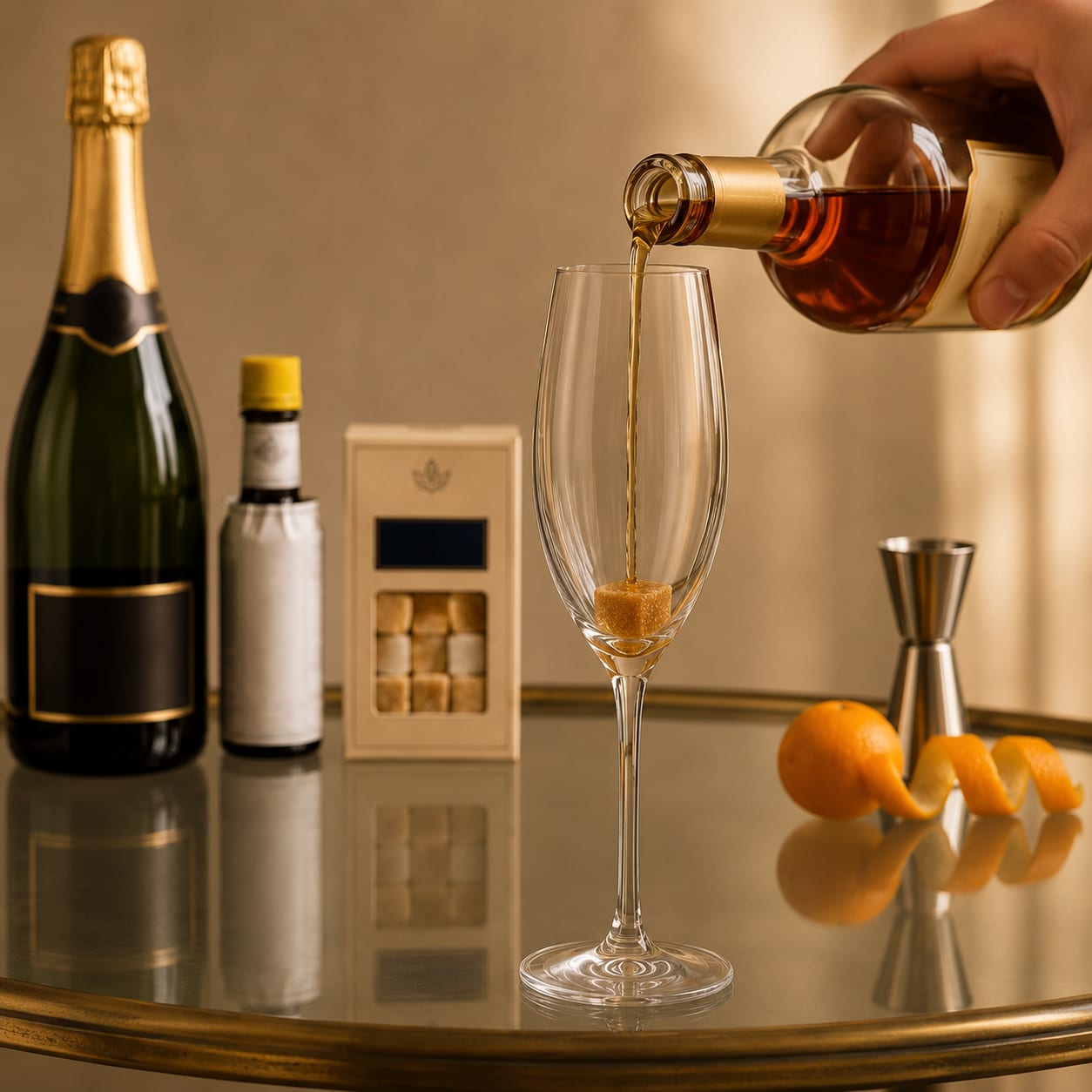
    If you are using the Cognac, pour 15ml over the soaked sugar cube now. Let it sit for a few seconds so the sugar starts to absorb the brandy as well.

    Step 2 — how to make Champagne Cocktail

    !Pouring the Cognac too fast can dissolve the cube before you even add the bubbly.

  3. 3

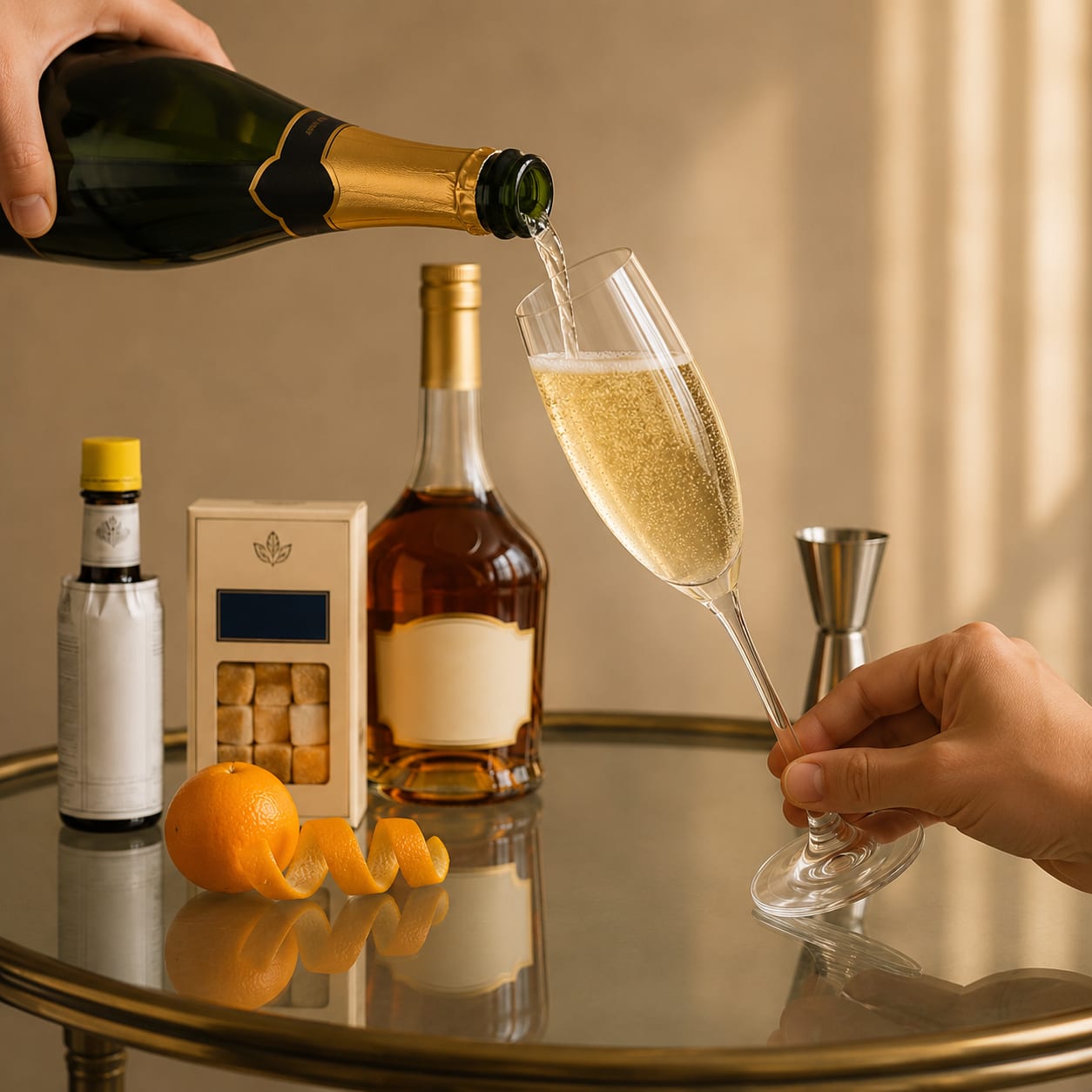
    Tilt the flute at an angle and slowly pour the Champagne down the side of the glass until it is about three-quarters full. Tilting the glass keeps the bubbles from foaming up and spilling over the rim.

    Step 3 — how to make Champagne Cocktail

    !Pouring straight down into the center will make it fizz violently and overflow.

  4. 4

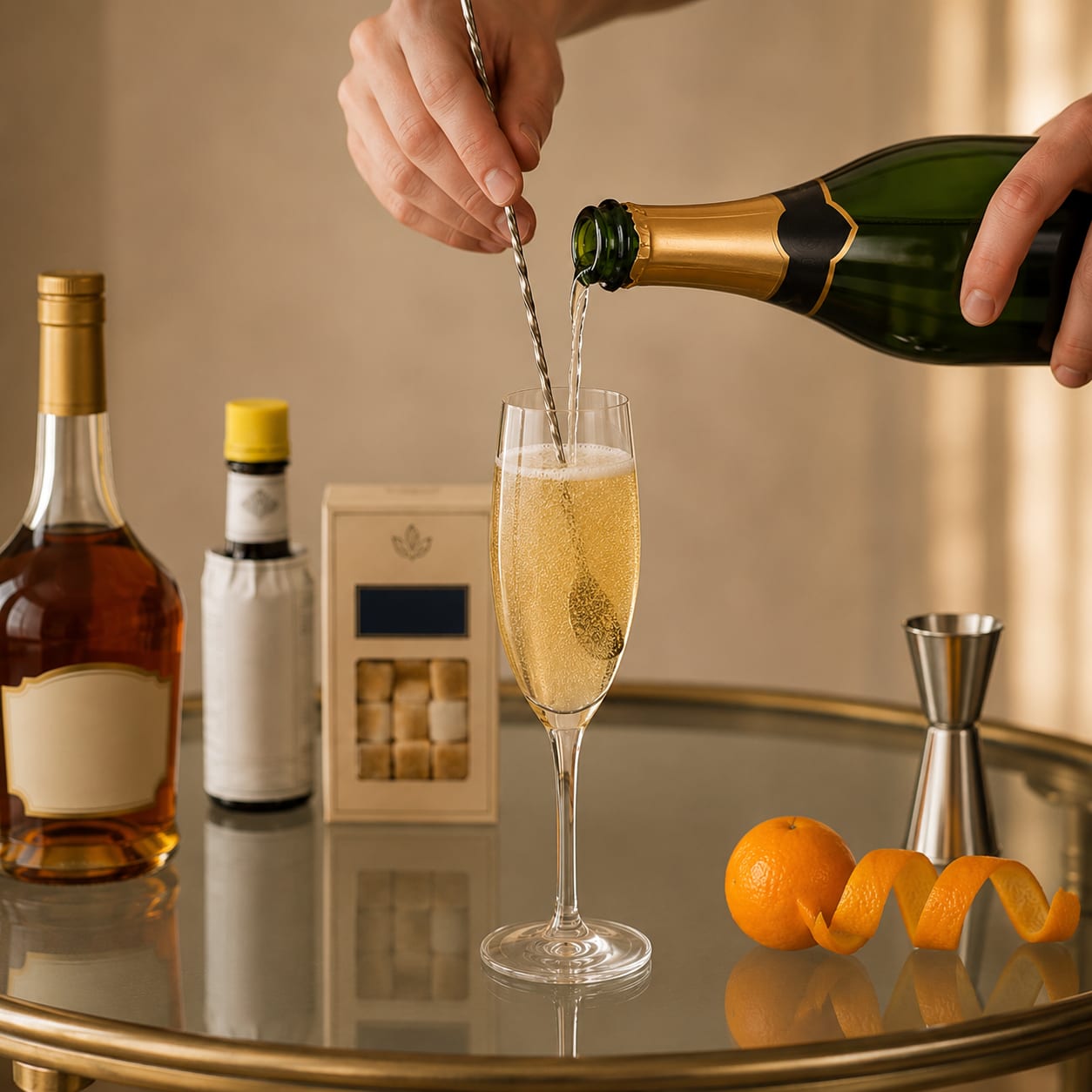
    Top off the glass with the remaining Champagne, pouring slowly. Give the drink one very gentle stir with a bar spoon just to help the dissolving sugar mix into the wine, but stop before you knock all the carbonation out.

    ~5s

    Step 4 — how to make Champagne Cocktail

    !Stirring too vigorously will flatten the drink and leave it lifeless.

  5. 5

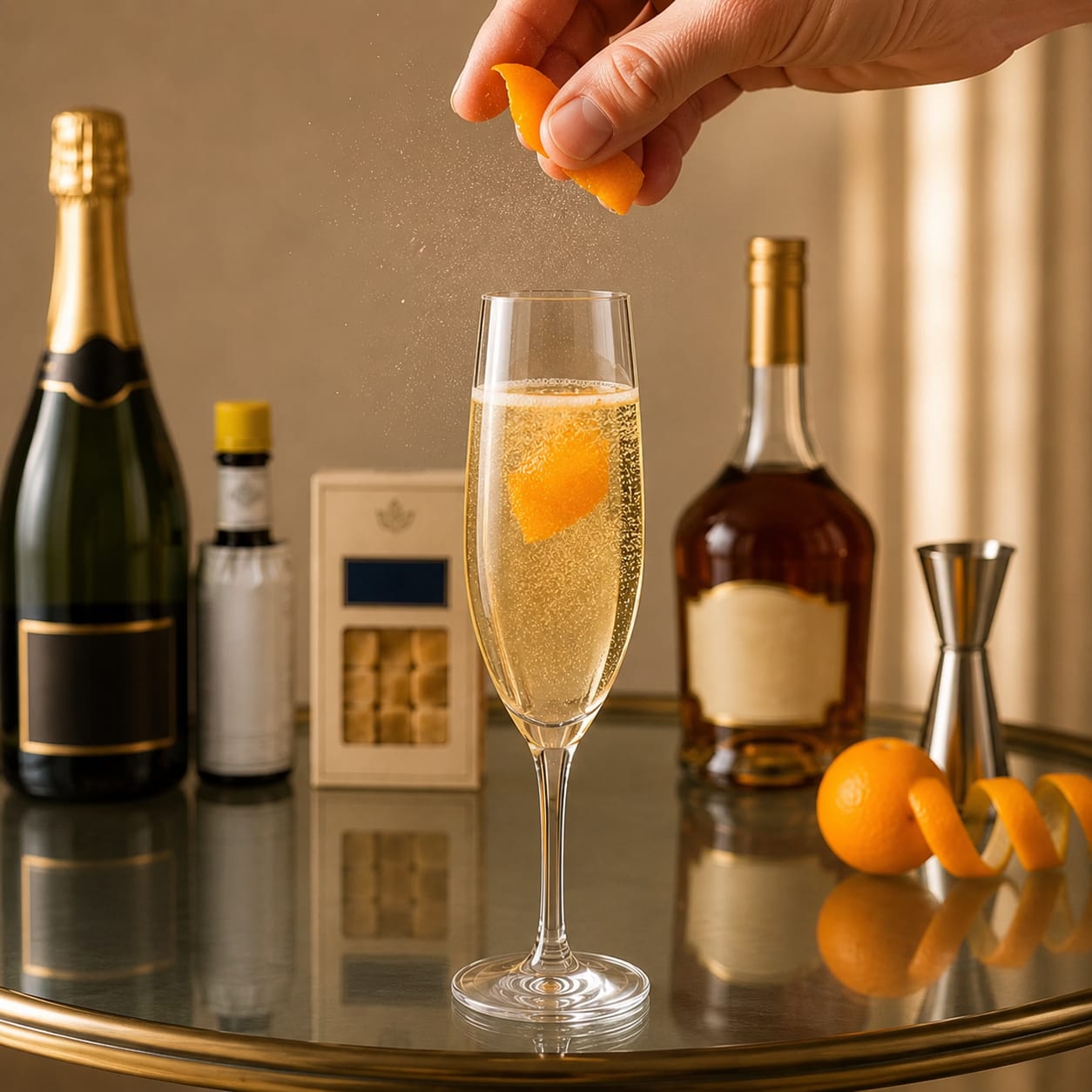
    Hold the orange twist over the drink and give it a quick pinch so the citrus oils spray across the surface. Drop the peel into the glass. Serve it right away while it is still cold and fizzy.

    Step 5 — how to make Champagne Cocktail

    !Forgetting to spray the oils means you miss the bright citrus aroma that opens up the drink.

Serve

Serve it in a Champagne flute right after you make it, before the sugar dissolves completely and the bubbles die down. No ice goes in the glass.

Variations

Ingredient substitutions

Each row shows what you can swap in place of an original ingredient, and how the drink changes.

Swap options for Champagne

  • ChampagneProsecco
    Match
    Common availability

    ChampagneProsecco: Makes the drink slightly sweeter and fruitier with less toast and structure.

  • ChampagneCava
    Match
    Common availability

    ChampagneCava: Keeps the drink dry and adds a slightly earthier, more rustic edge.

Swap options for Cognac

  • CognacArmagnac
    Match
    Specialty availability

    CognacArmagnac: Adds a richer, more rustic brandy kick with a slightly rougher finish.

Swap options for Sugar Cube

  • Sugar CubeSimple Syrup
    Match
    Common availability

    Sugar CubeSimple Syrup: Dissolves instantly so you lose the slow sweetening effect and the fun visual of the fizzing cube.

Related

Similar cocktails

Cousin drinks that share DNA with this one — each profile stands on its own.

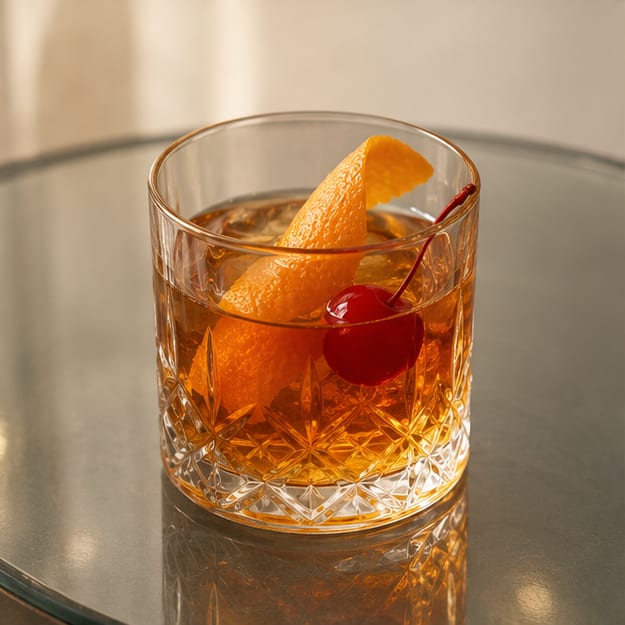
Old Fashioned

Similar cocktail

Old Fashioned

The Old Fashioned uses a heavy pour of whiskey instead of sparkling wine, making it much stronger and heavier.

Match

Both drinks share that spiced, bittersweet core, but the Champagne Cocktail is bright and bubbly where the Old Fashioned is heavy and warming.

In common: Built in the glass, Bitters and sugar base, Slow sipping

Ingredients

Both share

Angostura Bitters, Sugar Cube

Only in Champagne Cocktail

Champagne, Orange Twist

Only in Old Fashioned

Bourbon or Rye Whiskey

Swapping whiskey for Champagne completely changes the weight and strength, turning a stiff, spirit-forward sipper into a light, fizzy aperitif.

Flavor

Shared flavors

Bitter-spice backbone, Sweetening effect from dissolving sugar

How Old Fashioned differs

Lighter and much lower alcohol, Crisp carbonation instead of dense spirit weight, Dry and toasty instead of woody and warm

View recipe & details →
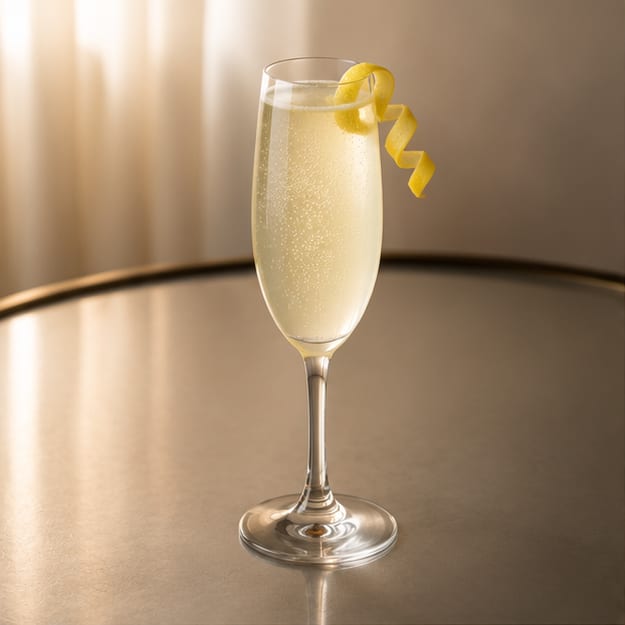
French 75

Similar cocktail

French 75

The French 75 adds lemon juice and gin, making it sharply sour and stronger.

Match

The French 75 is brighter and sharper with a gin kick, while the Champagne Cocktail is softer and spiced with a slower, sweeter build.

In common: Champagne-based, Served in a flute, Celebratory

Ingredients

Both share

Champagne, Sugar

Only in Champagne Cocktail

Angostura Bitters, Cognac

Only in French 75

Gin, Lemon Juice

The French 75 swaps the bitters and Cognac for gin and citrus, shifting the flavor from spiced and mellow to sharp and botanical.

Flavor

Shared flavors

Dry sparkling wine base, Effervescent and refreshing

How French 75 differs

Tart citrus acidity, Piney gin botanicals, Higher alcohol strength

View recipe & details →

History

Origin

The recipe first appeared in Jerry Thomas's 1862 Bartenders Guide, making it one of the earliest recorded Champagne cocktails. Some accounts claim it was mixed even earlier in New York bars, but the 1862 print record is the first solid proof we have.

Era
1860s
IBA
The Unforgettables
Data version
IBA Current Unforgettables
Confidence

The IBA official recipe omits the optional Cognac, though many historical and modern bar guides include it as a traditional float.

Practical

Tips & pitfalls

What works at home and what to skip when making this drink.

Tips

Worth knowing before you pour

  • Chill the Champagne and the glass beforehand so the drink stays fizzy longer.
  • Use brut Champagne to keep the drink from getting cloying as the sugar dissolves.
  • Pour the bubbly slowly down the tilted side of the glass to avoid a fizzy mess.

Avoid

Common mistakes

  • Do not stir the drink hard or you will knock all the carbonation out.
  • Do not skip the orange twist, because the oils cut the bitterness and tie it together.