cocktaildna

London, England · 1861

Black Velvet

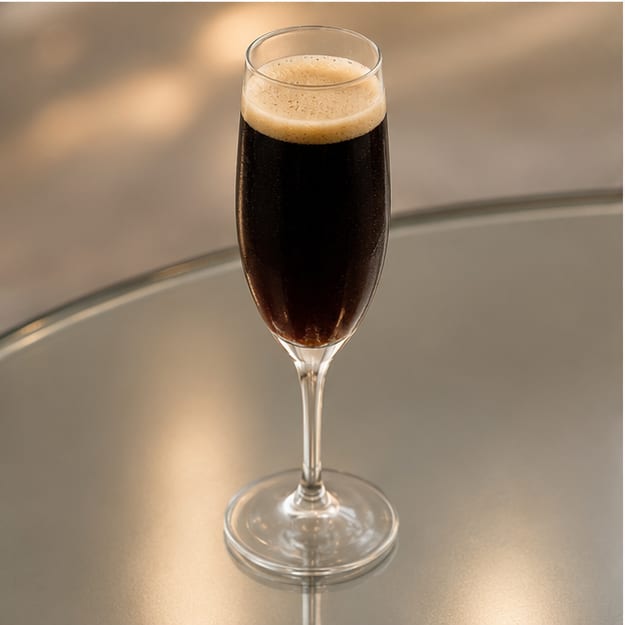
The Black Velvet is a simple, striking mix of champagne and stout that drinks smooth and malty with a dry edge.

maltybreadydrybittercreamylow-alcoholbeerchampagnebrunch

%

ABV

Difficulty

Black Velvet

Overview

What this drink is like

The first sip gives you dry, bubbly champagne that immediately gets pulled down by the dense, roasty weight of the stout. In the middle, the two merge into a creamy, bready texture with a slight tartness from the wine. It finishes dry with a lingering toasted grain note that fades slowly.

Who will like it

This is for people who like dry, malty drinks and aren't afraid of mixing beer with wine.

When to drink

Drink this as a brunch cocktail or a midday sipper when you want something filling and celebratory but not strong.

Ordering tip

Ask the bartender to pour the stout first and float the champagne on top if you want those clean, distinct layers.

Ice: NoneTemp: ColdCost: $4–$12Glass: FluteBatch-friendlyHome bar friendly

Flavor

Taste profile

This drink is all about the push and pull between rich, heavy stout and dry, bubbly champagne. The stout makes it thick and coating on your tongue, with a roasted, slightly bitter coffee edge. The champagne cuts through that weight with bright acidity and crisp bubbles, keeping it from feeling like a meal. It's a low-alcohol sipper that feels filling but finishes dry enough to keep you coming back.

Finish: The finish runs medium-long, with roasted malt bitterness and a dry, yeasty tartness lingering after the bubbles fade.

Primary tastes

bittercreamyearthy

Secondary

sournutty

Aroma

roasted barleybready yeastgreen apple
  • Bitternessmoderately bitter

    The roasted malt from the stout gives a firm, coffee-like bitterness that the champagne cuts but doesn't erase.

  • Sweetnessfairly dry

    Using brut champagne keeps the drink dry, leaving only a subtle malt sweetness from the stout.

  • Sournessmild acidity

    The champagne brings a tart, green-apple acidity that brightens the heavy beer but stays in the background.

  • Strengthlow alcohol

    Both ingredients are relatively low in ABV, making this a light drink you can easily have a few of.

  • Refreshingmoderately refreshing

    The high carbonation and cold serving temperature make it refreshing, though the stout's weight holds it back from being crisp.

  • Smokinessfaint roast

    There is a slight smoky char from the roasted barley, but it reads more as toasted grain than actual smoke.

  • Creaminessquite creamy

    The nitrogenated stout gives the drink a thick, velvety mouthfeel that coats your tongue.

  • Complexitystraightforward

    It's a two-ingredient drink where both parts do exactly what you expect, offering depth but not a lot of surprise.

Recipe

Make it at home

Built · Flute · equal parts on Champagne. Brut Champagne or dry sparkling wine

Before you start

Chill your glass in the freezer for a few minutes beforehand. Open both bottles right before you start so the stout and champagne are still highly carbonated.

Ingredients

  • ChampagneBase SpiritBrut recommended for dryness150ml
  • StoutOtherGuinness Draught is the standard choice150ml

Tools

  • Flute · Serving

    Holds the drink and shows off the layered look while keeping the bubbles tight.

    At home: White wine glass

  • Bar spoon · Mixing

    Used to slowly pour the champagne over the stout so the layers don't mix.

    At home: Long teaspoon

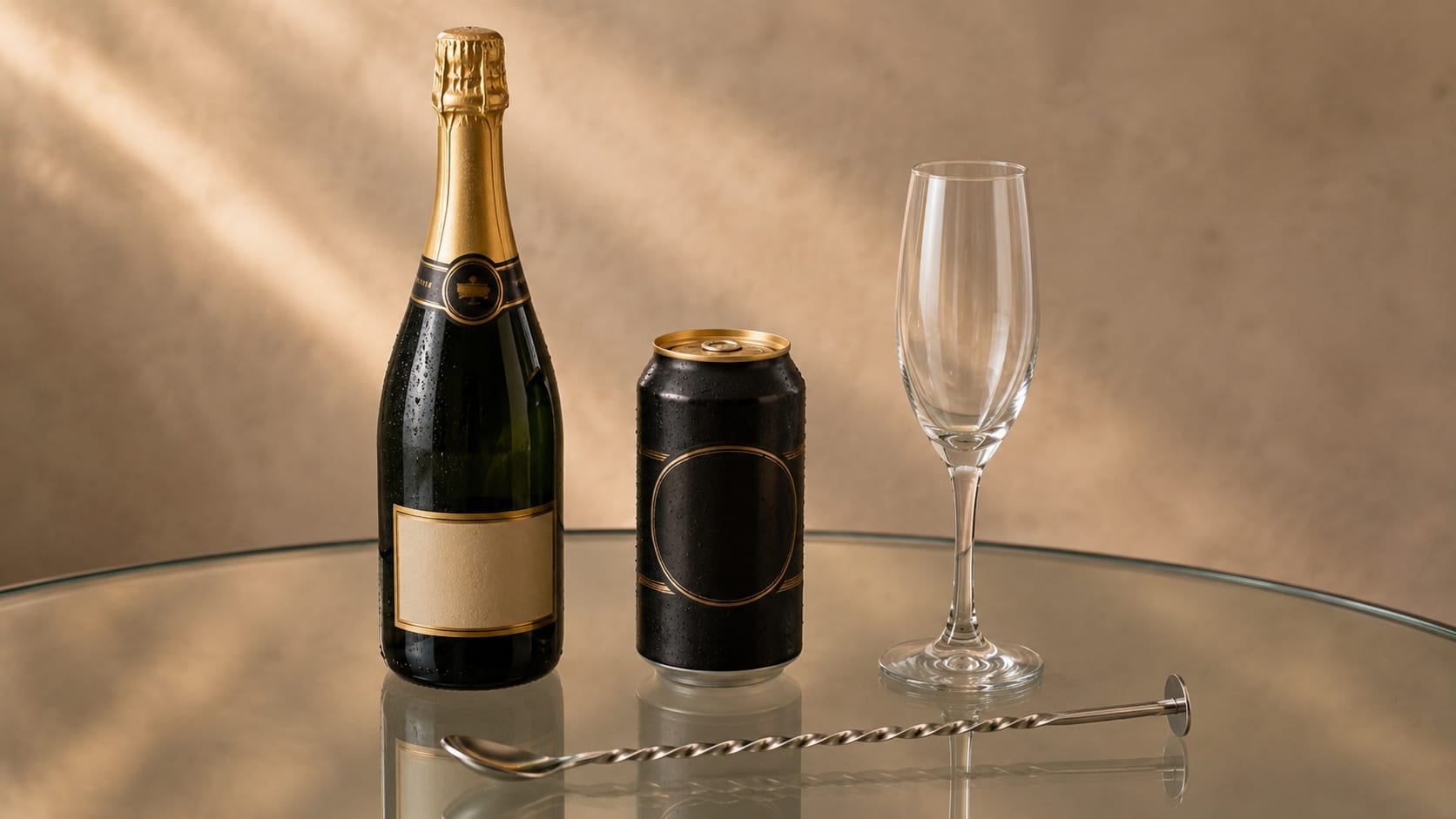
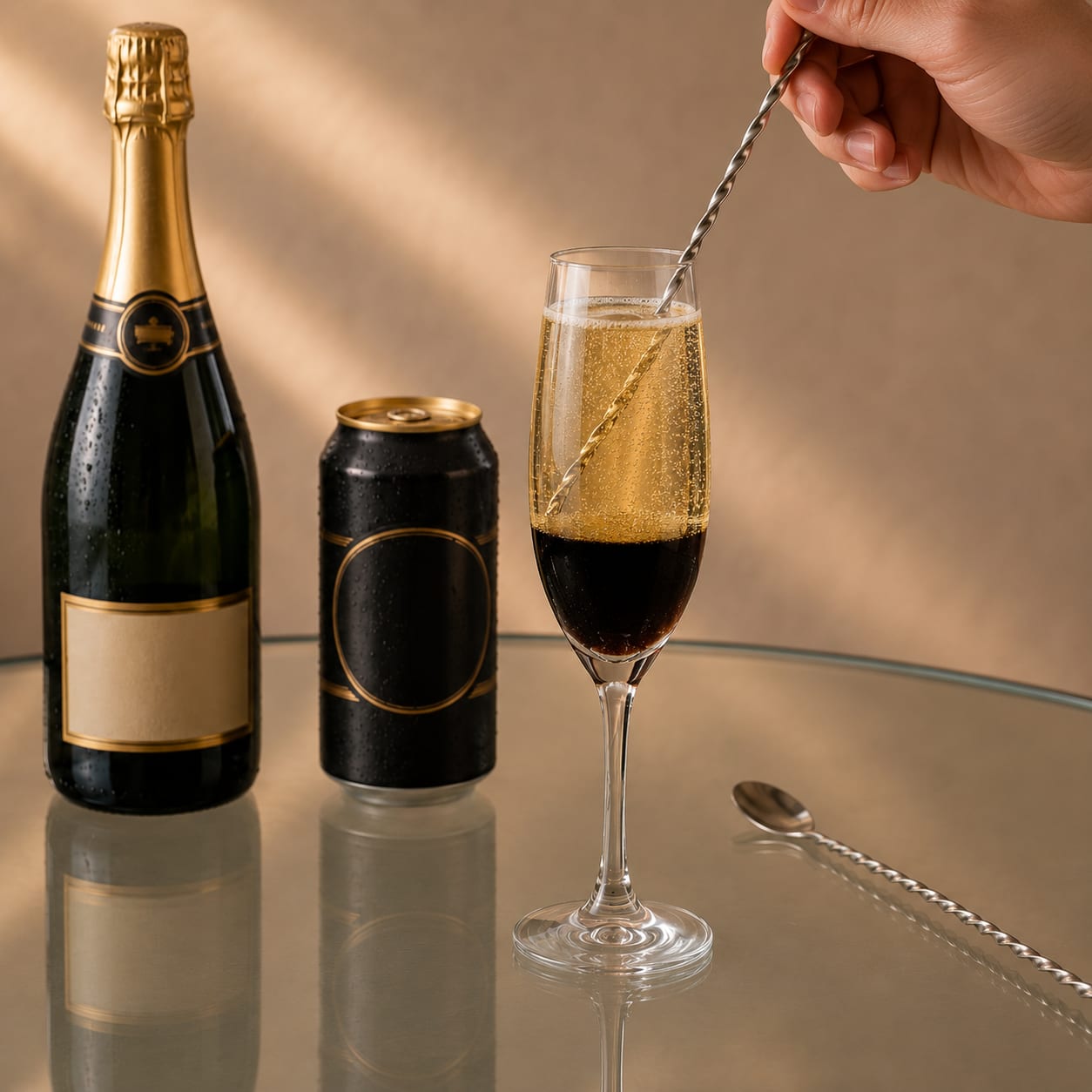
Ingredients and tools to make Black Velvet
Ingredients and tools

Steps

  1. 1

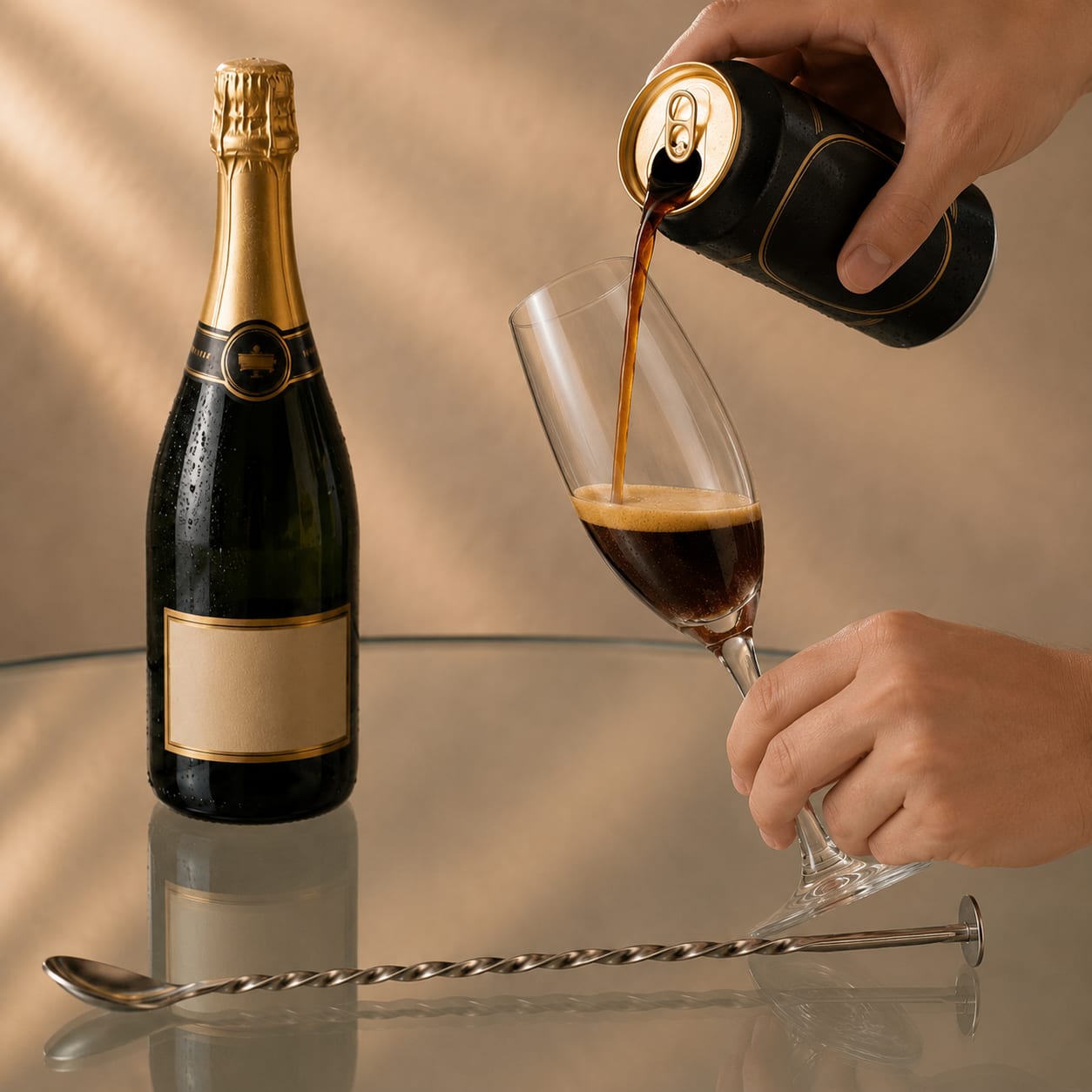
    Take your chilled flute and tilt it at a 45-degree angle. Slowly pour 150ml of stout down the side of the glass until it's about half full. Let it settle for a moment so the foam drops down before you move on.

    ~30s

    Step 1 — how to make Black Velvet

    !Pouring the stout too fast creates a massive head that overflows the glass.

  2. 2

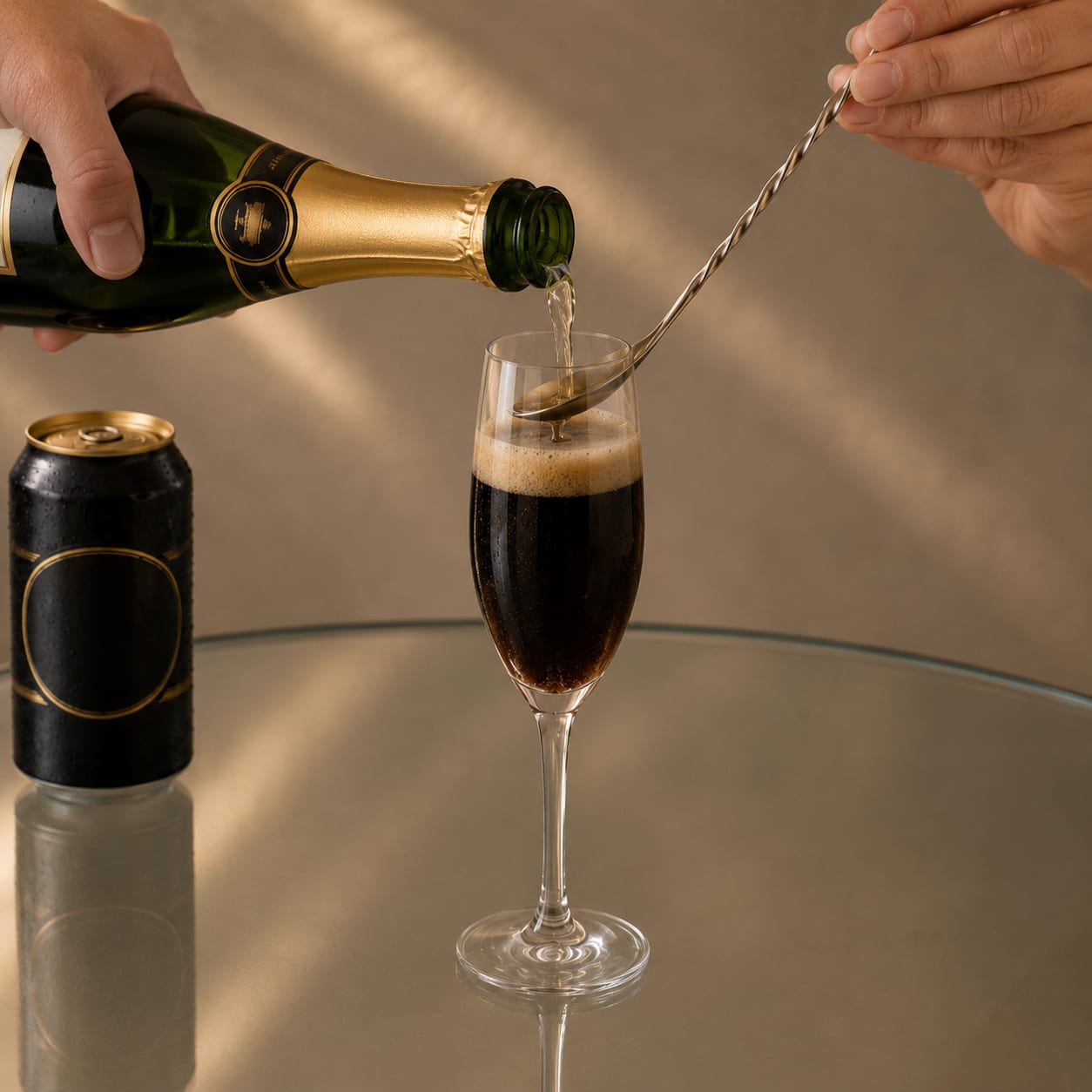
    Take a bar spoon and hold it upside down just inside the glass, touching the inside edge right above the stout. Slowly pour 150ml of champagne over the back of the spoon. This lets the lighter wine spread out gently over the heavier beer instead of plunging straight in.

    ~30s

    Step 2 — how to make Black Velvet

    !Pouring the champagne too quickly blasts right through the stout and ruins the layered look.

  3. 3

    Once both liquids are in the glass, you should see a dark bottom layer and a pale gold top layer. Serve it right away while it's still cold and the carbonation is lively.

    Step 3 — how to make Black Velvet

    !Letting the drink sit too long causes the layers to naturally blend and the bubbles to go flat.

Serve

Serve it immediately in a chilled flute with no ice and no garnish. The visual appeal is the two distinct layers, so hand it off before they blend together.

Variations

Ingredient substitutions

Each row shows what you can swap in place of an original ingredient, and how the drink changes.

Swap options for Champagne

  • ChampagneProsecco
    Match
    Common availability

    ChampagneProsecco: Adds a bit more fruit sweetness and softer bubbles, making the drink less dry.

  • ChampagneCava
    Match
    Common availability

    ChampagneCava: Keeps the dry profile but with a slightly sharper, more herbal edge.

Swap options for Stout

  • StoutPorter
    Match
    Common availability

    StoutPorter: Brings a lighter body and more chocolate sweetness with less roasted bitterness.

  • StoutOatmeal Stout
    Match
    Specialty availability

    StoutOatmeal Stout: Makes the drink even creamier and smoother, toning down the bitter roast.

History

Origin

The drink was created at Brook's Club in London in 1861 on the day of Prince Albert's death. The story goes that the champagne was mixed with stout to mourn the occasion, giving the bubbly wine a dark, somber appearance.

Creator
Brook's Club
Era
1860s
Confidence

The 1861 Brook's Club origin is widely cited but relies on historical anecdote rather than primary documentation.

Practical

Tips & pitfalls

What works at home and what to skip when making this drink.

Tips

Worth knowing before you pour

  • Use a dry brut champagne to keep the drink from getting cloying.
  • Pour the stout first and let the head settle before adding champagne.
  • Chill both bottles overnight so the layers hold better.
  • Skip the canned Guinness and get draft stout in a growler if you can.

Avoid

Common mistakes

  • Using sweet sparkling wine makes the drink taste like flat syrup.
  • Pouring the champagne directly into the stout destroys the layered look.