cocktaildna

Chicago, United States · 2008

Bitter Giuseppe

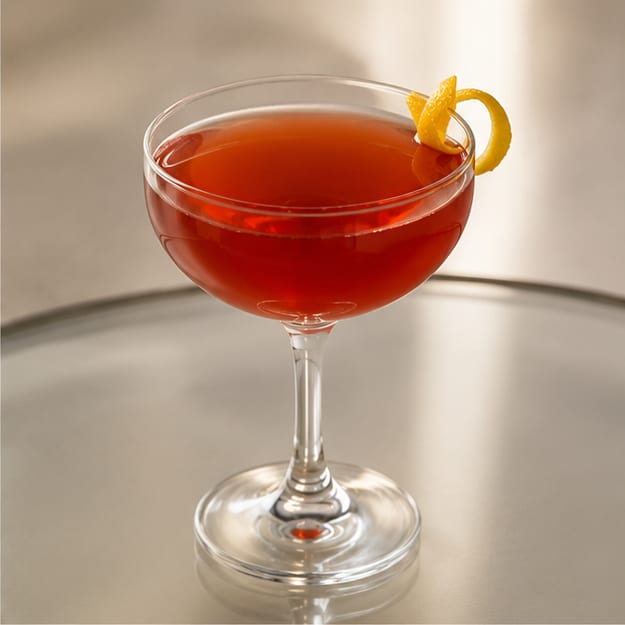
A low-proof, bitter-leaning cocktail built on Cynar and sweet vermouth, with enough body and herbal depth to satisfy like a much stronger drink.

bitteramaroherbalearthylow-abvaperitifCynarvermouthstirred

%

ABV

Difficulty

Bitter Giuseppe

Overview

What this drink is like

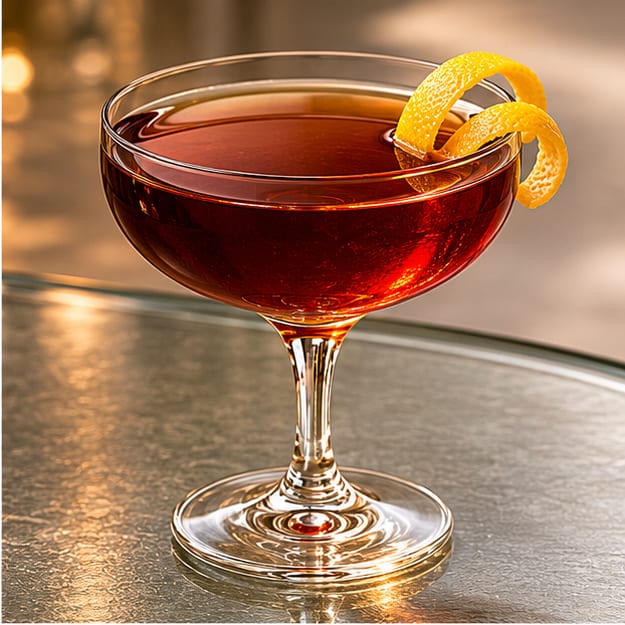
The first sip is earthy and bitter, with cooked artichoke and dark herb notes from the Cynar pulling forward. The middle softens as the sweet vermouth rounds things out, adding cola-like spice and a gentle sweetness. The finish is long and drying, with bitters and amaro warmth lingering without any burn.

Who will like it

For people who like bitter, herbal, spirit-forward drinks but want something they can sip slowly without the alcohol hit of a Negroni.

When to drink

This is an ideal aperitif before a big dinner — it wakes up your palate without knocking you out.

Ordering tip

If your bar has Cynar but doesn't know this drink, just ask for it by ratio: two parts Cynar to one part sweet vermouth, with orange bitters, stirred and up.

Ice: NoneTemp: ColdCost: $2–$4Glass: CoupeBatch-friendlyMake aheadHome bar friendly

Flavor

Taste profile

This drink is built around bitterness — real, earthy, artichoke-tinged bitterness from the Cynar, not the sharp citrus kind. The sweet vermouth steps in to keep things from getting harsh, adding a dark, cola-like warmth and a little thickness to the body. There's no acid at all, so the texture stays smooth and slightly syrupy. It's low in alcohol, which means you taste the ingredients clearly without any spirit burn getting in the way. The finish is long and dry, with the herbal notes hanging around after the glass is empty.

Finish: The finish runs long and dry, with earthy bitterness and a faint cola-like spice from the vermouth lingering well after the sip.

Primary tastes

bitterherbalearthy

Secondary

sweetnutty

Aroma

dark herbscooked artichokecolacitrus oil
  • Bitternessvery bitter

    Cynar drives a strong, earthy bitterness that dominates the drink from start to finish.

  • Sweetnessmoderately sweet

    The sweet vermouth adds enough sugar to soften the bitterness but never makes the drink taste sweet.

  • Strengthlow ABV

    This is a low-proof cocktail, roughly the strength of a glass of wine, so you can sip a few without much effect.

  • Refreshingmoderately refreshing

    It's served cold and has a drying finish, but the heavy herbal notes make it more of a slow sipper than a thirst-quencher.

  • Creaminesslight body

    The vermouth gives it a bit of weight on the tongue, but the overall texture is clean and slightly syrupy rather than creamy.

  • Complexityfairly complex

    Cynar's blend of herbs and vegetables, layered with vermouth's spice and orange bitters, gives this drink a lot of shifting flavors to unpack.

Recipe

Make it at home

Stirred · Coupe · equal parts on Cynar. Cynar is an amaro, not a traditional base spirit, but it is the dominant ingredient here

Before you start

Put your coupe glass in the freezer for a few minutes if you can — a cold glass keeps this low-proof drink from warming up fast. Grab a fresh lemon for the peel.

Ingredients

  • CynarBase SpiritThe bitter amaro that drives the drink60ml
  • Sweet VermouthVermouthAdds sweetness and spice to balance the Cynar30ml
  • Orange BittersBittersBrightens the mid-palate and ties the aromatics together2 dashes
  • Lemon PeelGarnishExpressed over the drink and dropped in1 twist

Garnish: Lemon twist

Tools

  • Mixing Glass · Mixing

    To combine and chill the ingredients with ice while stirring

    At home: A large pint glass or any tall, sturdy glass

  • Bar Spoon · Mixing

    To stir the drink smoothly and chill it without clouding

    At home: A long-handled spoon or chopstick

  • Jigger · Measuring

    To measure the Cynar and sweet vermouth accurately

    At home: A shot glass or measuring spoons

  • Hawthorne Strainer · Straining

    To strain the mixed drink into the serving glass while holding back the ice

    At home: A slotted spoon or small fine-mesh strainer

  • Coupe Glass · Serving

    To serve the drink chilled and without ice

    At home: A small wine glass or martini glass

  • Vegetable Peeler · optional · Garnish

    To cut a clean strip of lemon peel for the garnish

    At home: A small sharp knife

Steps

  1. 1

    Measure 60ml of Cynar and pour it into your mixing glass. Add 30ml of sweet vermouth right on top. Add 2 dashes of orange bitters. You'll see a dark, reddish-brown liquid — that's the color of the finished drink.

    !Using dry vermouth by accident will make the drink thin and aggressively bitter.

  2. 2

    Fill the mixing glass about three-quarters full with ice — big cubes if you have them, since they melt slower and give you more control. The ice should sit above the liquid line so everything chills evenly.

    !Using too little ice means the drink warms up before it's properly diluted.

  3. 3

    Stir steadily with your bar spoon for about 20 to 30 seconds, moving the ice smoothly around the glass. You'll know you're done when the outside of the mixing glass feels cold to the touch and there's a light frost forming on it.

    ~25s

    !Stirring too fast or aggressively chips the ice and clouds the drink.

  4. 4

    Take your coupe glass out of the freezer. Hold your Hawthorne strainer over the mixing glass and pour the drink through it into the coupe, letting the liquid flow in while the ice stays behind. The drink should fill the glass most of the way.

    !Letting ice chips slip into the coupe waters down the drink quickly.

  5. 5

    Take your lemon peel and hold it over the drink, colored side facing down. Give it a firm twist so a fine mist of lemon oils sprays across the surface of the drink. Drop the peel in, and you're done.

    !Squeezing the peel into the drink instead of twisting it releases bitter pith oils instead of fragrant zest.

Serve

Serve it right away in the chilled coupe with the lemon twist resting on top. This is a low-ABV drink, so it warms up faster than a Negroni — don't let it sit.

Variations

Ingredient substitutions

Each row shows what you can swap in place of an original ingredient, and how the drink changes.

Swap options for Cynar

  • CynarAverna
    Match
    Common availability

    CynarAverna: Sweeter and less bitter, with more orange and cola notes and less earthy artichoke character.

  • CynarMeletti Amaro
    Match
    Specialty availability

    CynarMeletti Amaro: Lighter and more floral, with anise notes replacing the deep earthy bitterness of Cynar.

Swap options for Sweet Vermouth

  • Sweet VermouthPunt e Mes
    Match
    Specialty availability

    Sweet VermouthPunt e Mes: Adds an extra layer of bitterness and orange peel on top of the sweet vermouth base, making the drink even more bitter overall.

  • Sweet VermouthBonal Gentiane-Quina
    Match
    Specialty availability

    Sweet VermouthBonal Gentiane-Quina: Adds gentian root bitterness and quinine, pushing the drink further into bitter-herbal territory with less sweetness.

Swap options for Orange Bitters

  • Orange BittersAngostura Bitters
    Match
    Common availability

    Orange BittersAngostura Bitters: Adds warm baking spice instead of bright citrus, making the drink taste darker and more aromatic.

Related

Similar cocktails

Cousin drinks that share DNA with this one — each profile stands on its own.

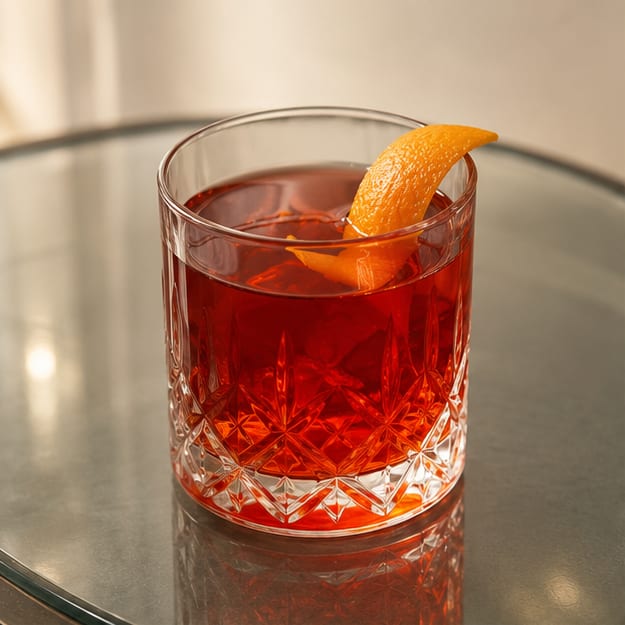
Negroni

Similar cocktail

Negroni

The Negroni uses gin and Campari, making it much stronger and more citrus-bitter, while the Bitter Giuseppe is low-ABV and earthy-bitter.

Match

Both drinks have a bitter-sweet structure and herbal depth, but the Negroni hits with gin's juniper and Campari's sharp citrus bite, while the Bitter Giuseppe is softer, earthier, and much easier to drink several of.

In common: bitter-sweet balance, stirred and served up, aperitif style

Ingredients

Both share

Sweet Vermouth, Orange Bitters

Only in Bitter Giuseppe

Cynar

Only in Negroni

Gin, Campari

The Bitter Giuseppe swaps out the gin and Campari for Cynar, replacing juniper and bright citrus bitterness with earthy, artichoke-driven amaro bitterness at a much lower proof.

Flavor

Shared flavors

bitter-sweet backbone, herbal aromatics, dry, lingering finish

How Negroni differs

lower alcohol, earthier and darker, less citrus brightness

View recipe & details →
Little Italy

Similar cocktail

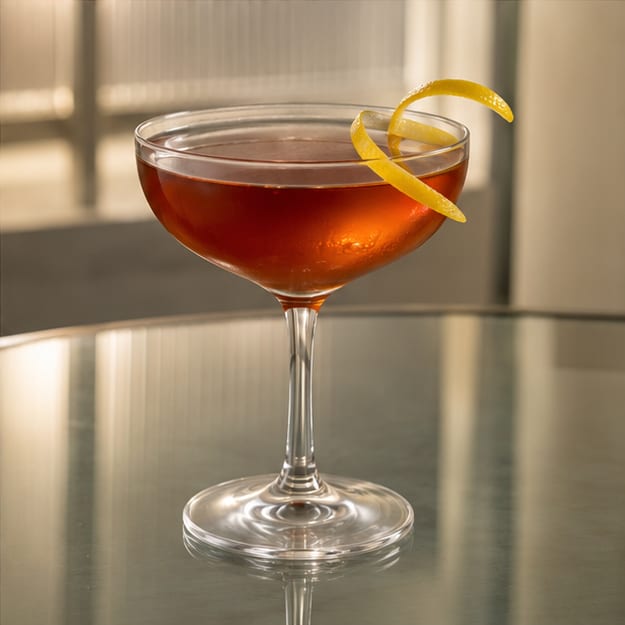
Little Italy

The Little Italy adds rye whiskey, making it significantly stronger and spicier than the low-proof Bitter Giuseppe.

Match

Both drinks share the same Cynar-vermouth core, but the Little Italy's rye whiskey adds a spicy, boozy kick that makes it feel like a proper spirit-forward cocktail rather than a low-proof sipper.

In common: Cynar-forward, stirred and served up, bitter-herbal profile

Ingredients

Both share

Cynar, Sweet Vermouth

Only in Bitter Giuseppe

Orange Bitters

Only in Little Italy

Rye Whiskey

The Little Italy replaces the orange bitters with rye whiskey, which adds a spicy, warming backbone and doubles the alcohol content.

Flavor

Shared flavors

earthy Cynar bitterness, vermouth sweetness, dark herbal aroma

How Little Italy differs

higher ABV, spicier and warmer, more spirit-forward weight

View recipe & details →

Bensonhurst

Similar cocktail

Bensonhurst

The Bensonhurst adds maraschino liqueur and rye whiskey, giving it a nutty, fruity sweetness and much more alcohol.

Match

The shared Cynar and vermouth give both drinks an earthy, bitter foundation, but the Bensonhurst's maraschino and rye make it sweeter, boozier, and more complex in a fruit-and-spice direction.

In common: Cynar-based, stirred and served up, bitter-herbal

Ingredients

Both share

Cynar, Sweet Vermouth

Only in Bitter Giuseppe

Orange Bitters

Only in Bensonhurst

Rye Whiskey, Maraschino Liqueur

The Bensonhurst swaps orange bitters for rye whiskey and maraschino liqueur, adding spirit strength and a nutty, stone-fruit sweetness.

Flavor

Shared flavors

Cynar's earthy bitterness, vermouth's dark sweetness, herbal depth

How Bensonhurst differs

stronger alcohol, nutty and fruity notes, less purely bitter

View recipe & details →

History

Origin

Stephen Cole created the Bitter Giuseppe at The Violet Hour in Chicago around 2008. He designed it as a low-ABV cocktail that still delivered the bitter, satisfying punch of a Negroni, using Cynar as the dominant ingredient instead of a traditional spirit.

Creator
Stephen Cole at The Violet Hour
Era
2000s
Confidence

The recipe is well-documented from Stephen Cole and The Violet Hour, though minor variations in bitters quantity exist across sources.

Practical

Tips & pitfalls

What works at home and what to skip when making this drink.

Tips

Worth knowing before you pour

  • Batch the Cynar and vermouth in a 2:1 ratio in a bottle for easy pouring.
  • Keep your sweet vermouth in the fridge once opened — it goes bad fast.
  • Use a good sweet vermouth like Carpano Antica for the best flavor.
  • A chilled glass matters more here than in stronger drinks.

Avoid

Common mistakes

  • Don't skip the lemon twist — it cuts the heaviness.
  • Don't use old vermouth that's been sitting out.
  • Don't shake this drink or it will go cloudy and thin.