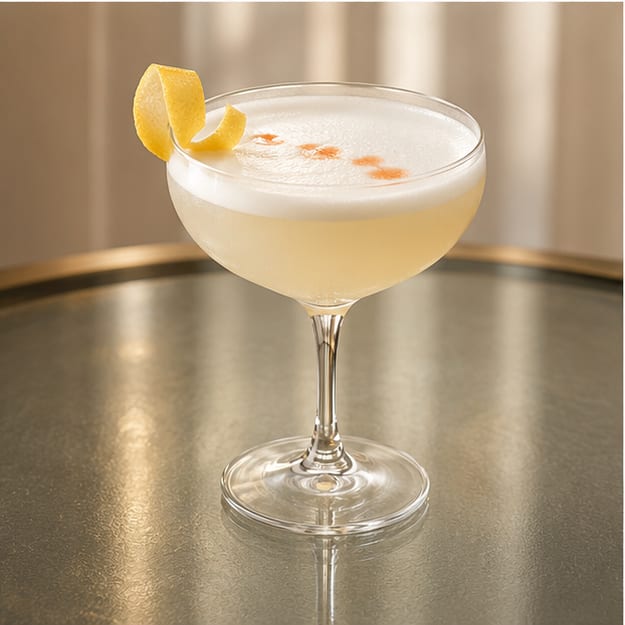
cocktaildna

Bee's Knees

Also known as Bees Knees, Bee's Knee

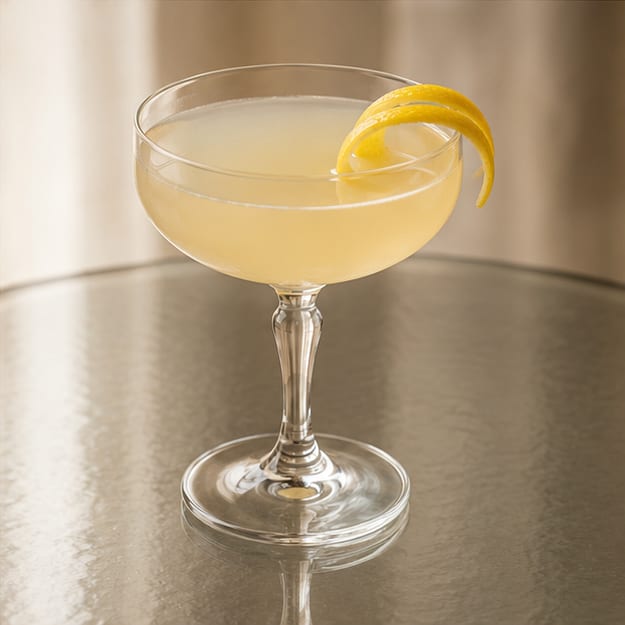
A bright, honey-sweetened gin sour that turns three simple ingredients into something surprisingly layered.

honeylemonfloralginsourrefreshingcitrussweet-tartbotanicallight

%

ABV

Difficulty

Bee's Knees

Overview

What this drink is like

The first sip hits with sharp lemon and the floral warmth of honey, then the gin's botanicals start poking through underneath. The middle is soft and rounded — the honey fills out the edges so the acid never feels raw. It finishes clean with a lingering floral sweetness that fades into gin's juniper bite.

Who will like it

For people who like sour drinks but want something rounder and less sharp than a Daiquiri or Gimlet.

When to drink

A warm-weather aperitif that works just as well at brunch as it does on a slow Sunday afternoon.

Ordering tip

Ask your bartender what gin they're using — a more floral gin like Hendrick's changes the whole drink, and some bars make their honey syrup with different ratios so it can swing sweeter or more tart.

Ice: NoneTemp: ColdCost: $2–$4Glass: CoupeBatch-friendlyHome bar friendly

Flavor

Taste profile

This drink lives in the space between sweet and sour, with honey doing the heavy lifting on the sweet side and fresh lemon pulling it back. The gin shows up as a botanical backbone rather than a punch — you taste juniper and flowers more than alcohol heat. Honey gives the texture a little more weight than you'd get from a regular sour, so it feels softer on the tongue even though the acidity is right there. It's straightforward but not boring, because the honey keeps revealing different notes depending on the gin you use.

Finish: The finish is medium-length, starting with honey sweetness that slowly gives way to tart lemon and a dry juniper tingle at the very end.

Primary tastes

sweetsourfloral

Secondary

herbalfruity

Aroma

lemon oilhoneyjuniperwildflower
  • Sweetnessnoticeably sweet

    The honey syrup pushes the sweetness above the middle line, though the lemon keeps it from feeling cloying.

  • Sournesssolidly tart

    Fresh lemon juice gives this a real tart punch that matches the honey almost one-to-one.

  • Strengthmoderate strength

    Standard sour strength — the gin is present but the citrus and honey keep it from feeling hot.

  • Refreshingquite refreshing

    Cold, citrusy, and served up without ice — it goes down easy and makes you want another sip.

  • Creaminesslight body

    The honey gives the drink a slightly thicker mouthfeel than a simple syrup sour, but it's still lean.

  • Complexitymodestly complex

    Only three ingredients, but honey brings more depth than simple syrup and the gin's botanicals add layers.

Recipe

Make it at home

Shaken · Coupe · equal parts on Gin. London Dry works great; a more floral or citrus-forward gin adds another layer

Before you start

Make your honey syrup ahead of time so it's cool — stir two parts honey into one part warm water until fully dissolved, then let it sit. Juice your lemon fresh and chill your coupe glass in the freezer for a few minutes if you have room.

Ingredients

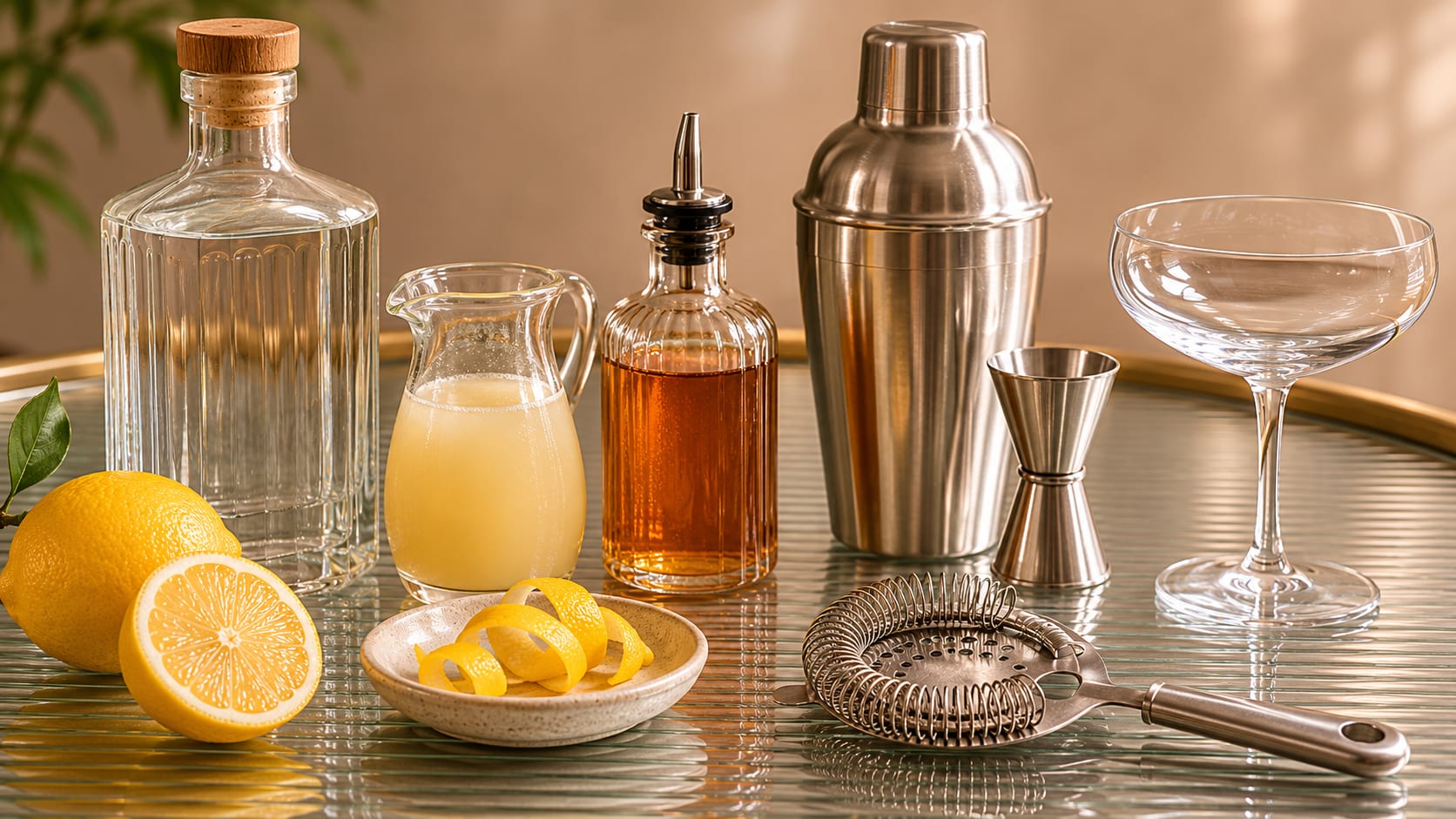
  • GinBase Spirit60ml
  • Lemon juiceJuiceFresh squeezed — bottled lemon juice tastes flat and metallic here22ml
  • Honey syrupSyrup2:1 ratio of honey to warm water, stirred until dissolved and cooled22ml
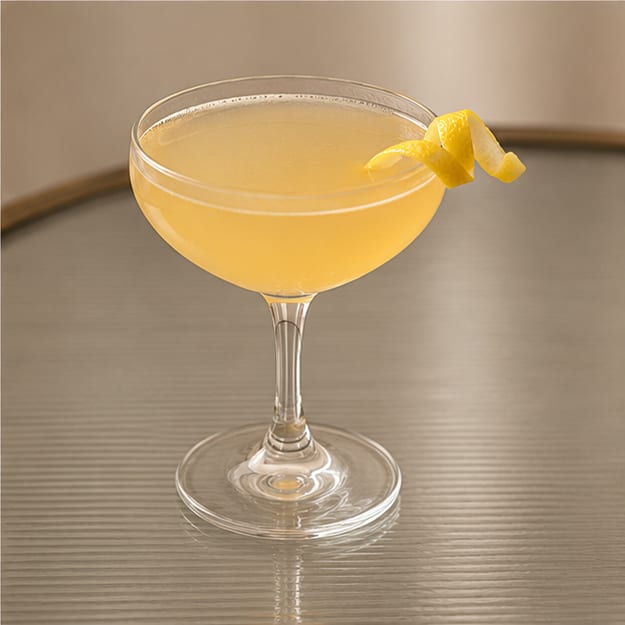
  • Lemon twistGarnish1 twist

Garnish: Lemon twist

Tools

  • Cocktail shaker · Shaking

    Shake the drink with ice to chill, dilute, and aerate the citrus and honey

    At home: A large mason jar with a tight lid — hold it firmly when shaking

  • Jigger · Measuring

    Measure the gin, lemon juice, and honey syrup accurately

    At home: A shot glass or measuring spoon — 1 tablespoon is roughly 15ml

  • Hawthorne strainer · Straining

    Strain the ice out when pouring the drink into the glass

    At home: A fine mesh kitchen strainer or tea strainer held over the glass

  • Coupe glass · Serving

    Serve the drink — a coupe keeps it cold and shows off the texture

    At home: Any small stemmed glass or even a small wine glass

  • Citrus peeler or channel knife · optional · Garnish

    Cut a clean strip of lemon peel for the garnish

    At home: A vegetable peeler or a sharp paring knife

Ingredients and tools to make Bee's Knees
Ingredients and tools

Steps

  1. 1

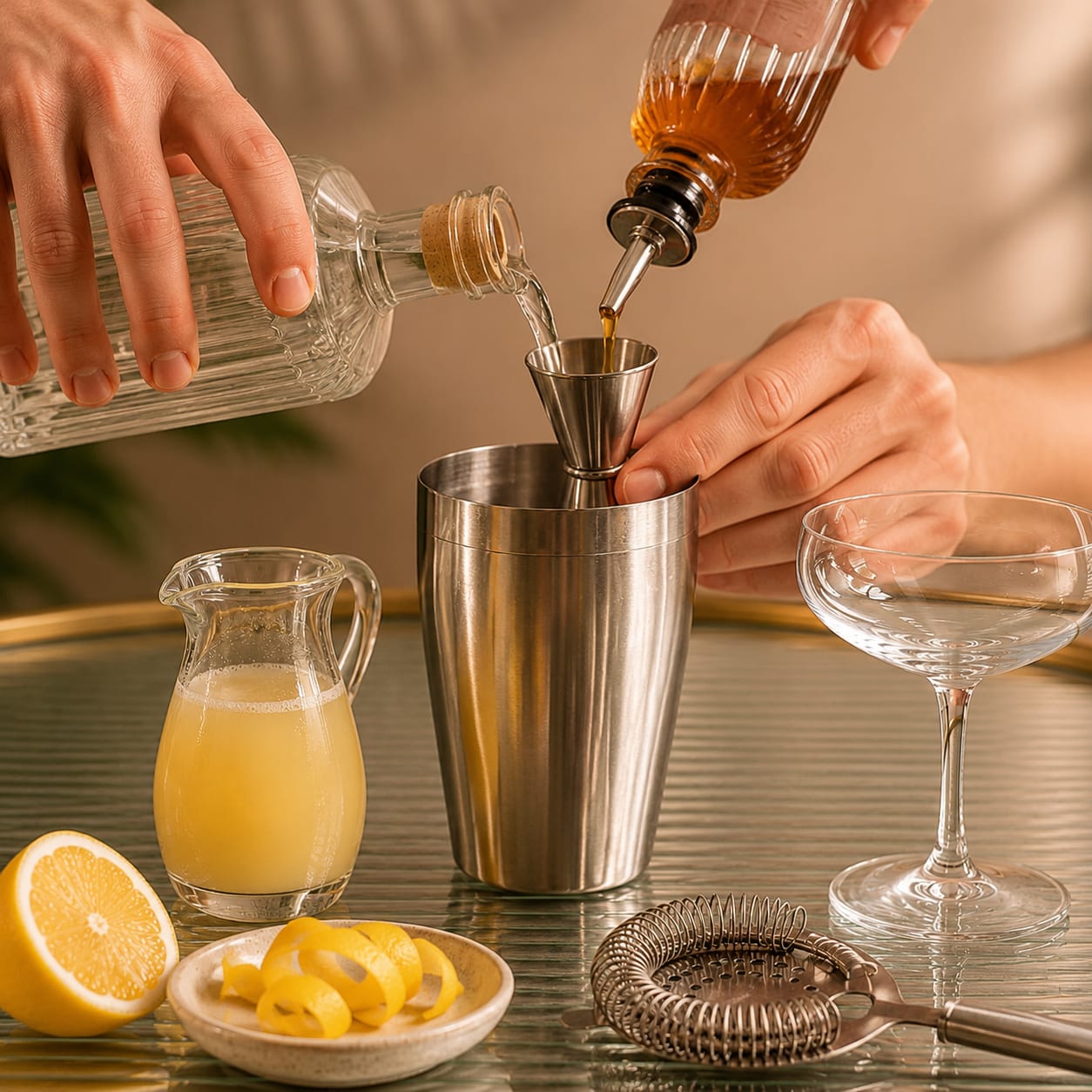
    Measure 60ml gin, 22ml fresh lemon juice, and 22ml honey syrup into your shaker. The honey syrup tends to cling to the jigger, so give it a second to drain out fully — you don't want to short the sweetness.

    Step 1 — how to make Bee's Knees

    !Using cold honey syrup straight from the fridge — it's too thick to pour accurately and won't mix well.

  2. 2

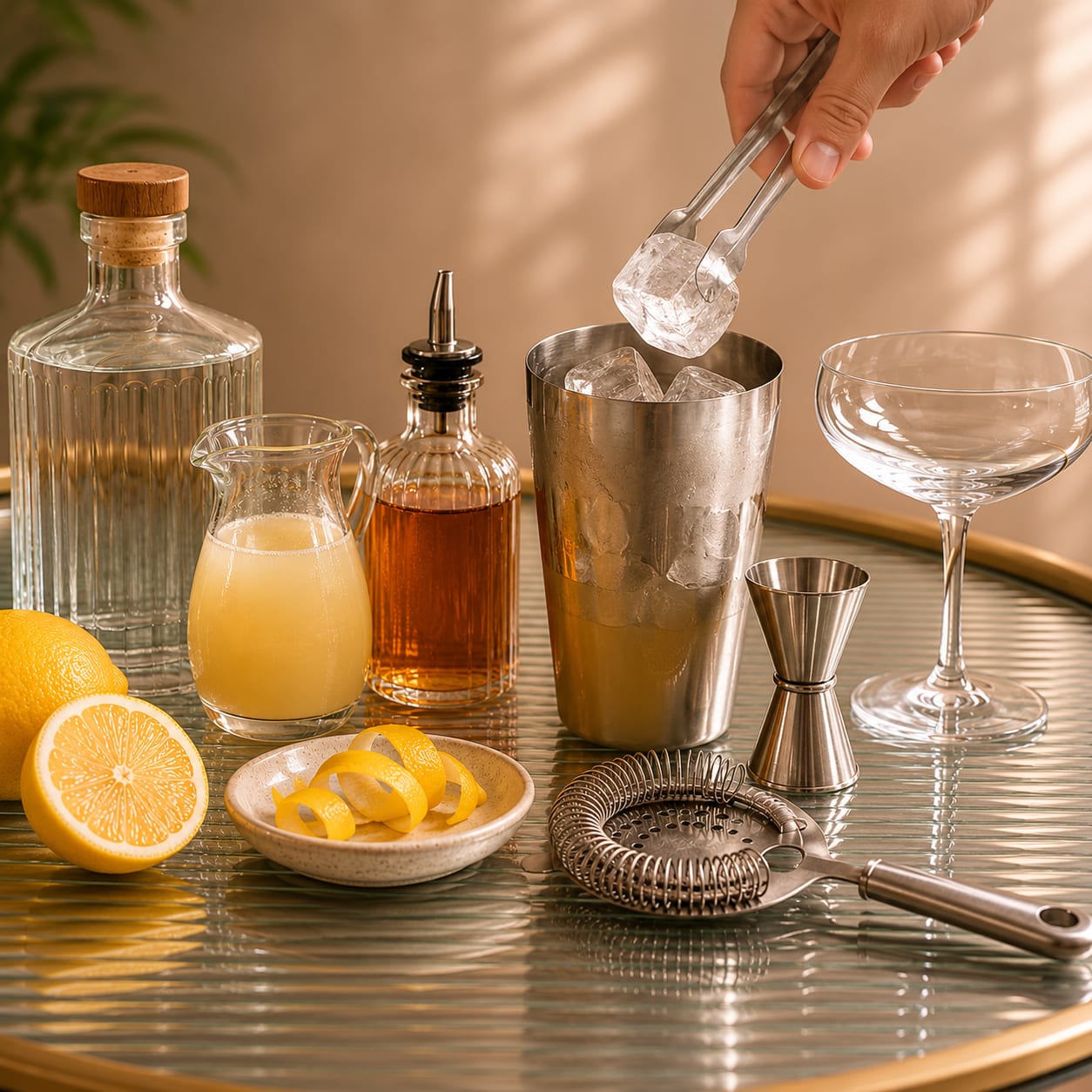
    Fill the shaker about two-thirds full with ice — enough that the ice sits above the liquid line. Use decent-sized cubes rather than small or crushed ice, which will over-dilute the drink too fast.

    Step 2 — how to make Bee's Knees

    !Underfilling with ice — too little ice means the drink takes longer to chill and gets watered down.

  3. 3

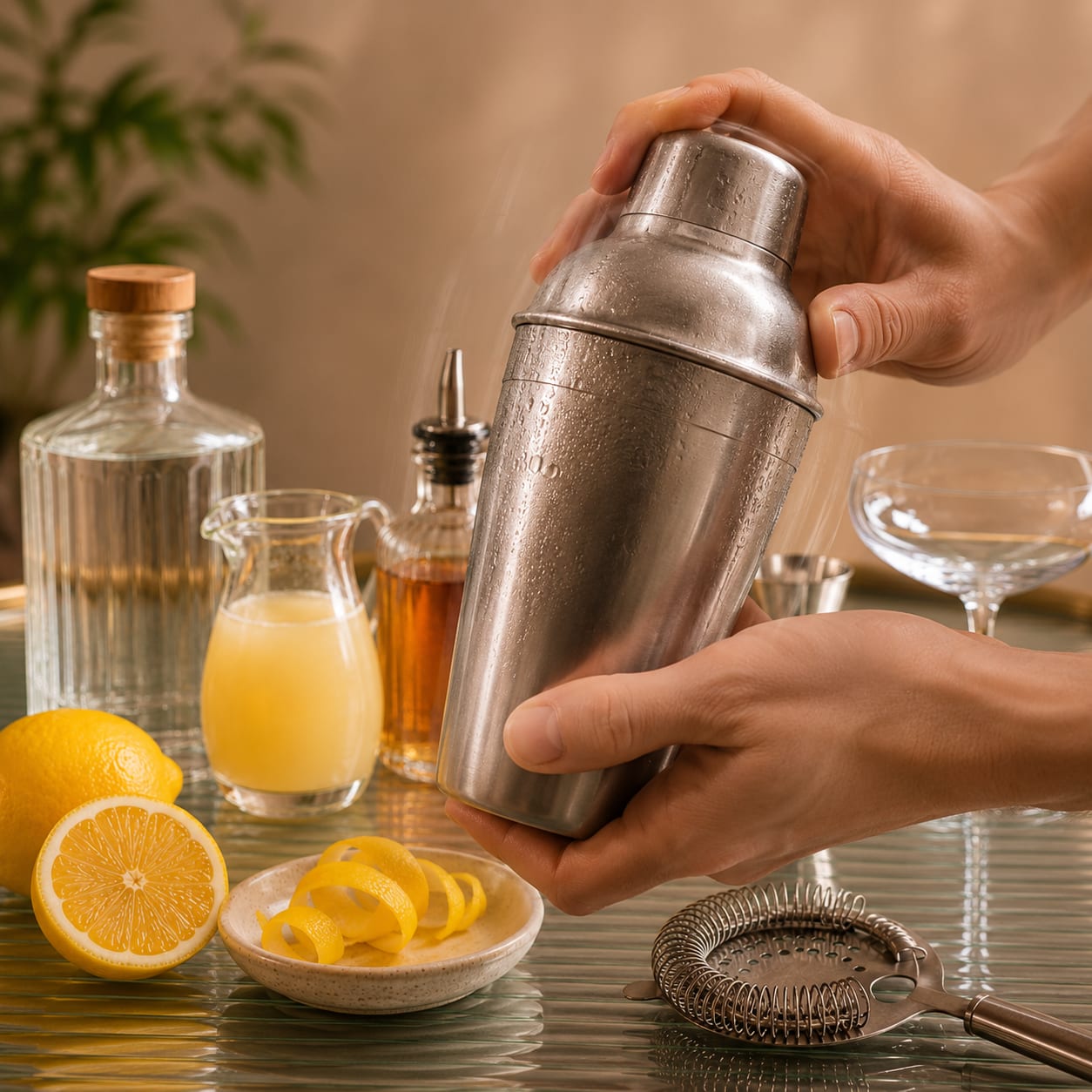
    Seal the shaker and shake hard for about 10 to 12 seconds. You want to feel the outside of the shaker go cold and frosty, and you should hear the ice rattling around the whole time. The honey and citrus need that aggressive shake to properly combine and create a silky texture.

    ~11s

    Step 3 — how to make Bee's Knees

    !Shaking too gently — the honey won't fully incorporate and the drink will taste separated.

  4. 4

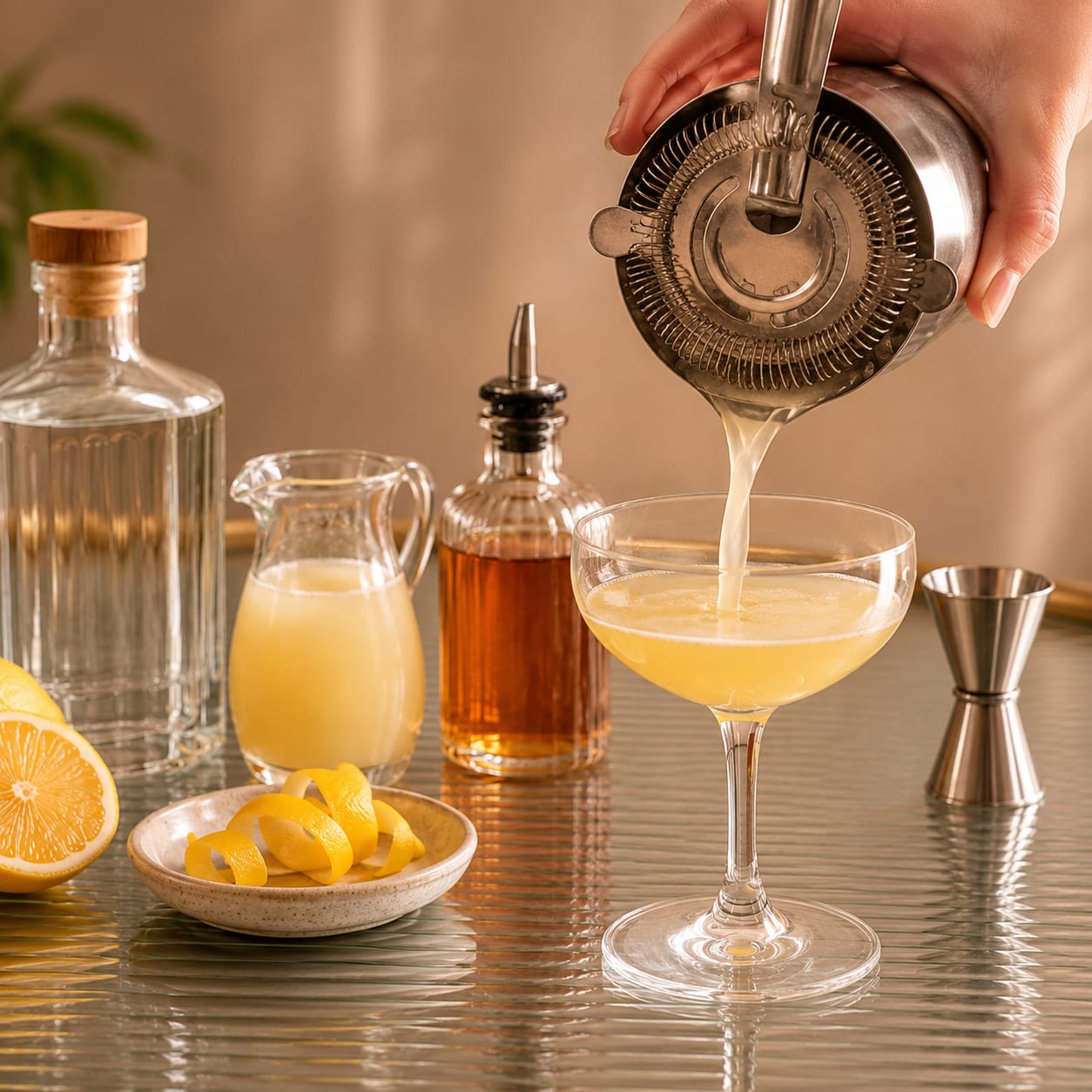
    Pop the shaker open and fit the Hawthorne strainer over the top. Pour the drink through the strainer into your chilled coupe glass, letting it flow in a steady stream. Stop when you see the ice starting to peek through — you want the liquid, not the watery bits at the end.

    Step 4 — how to make Bee's Knees

    !Pouring too fast and letting small ice chips slip past the strainer into the glass.

  5. 5

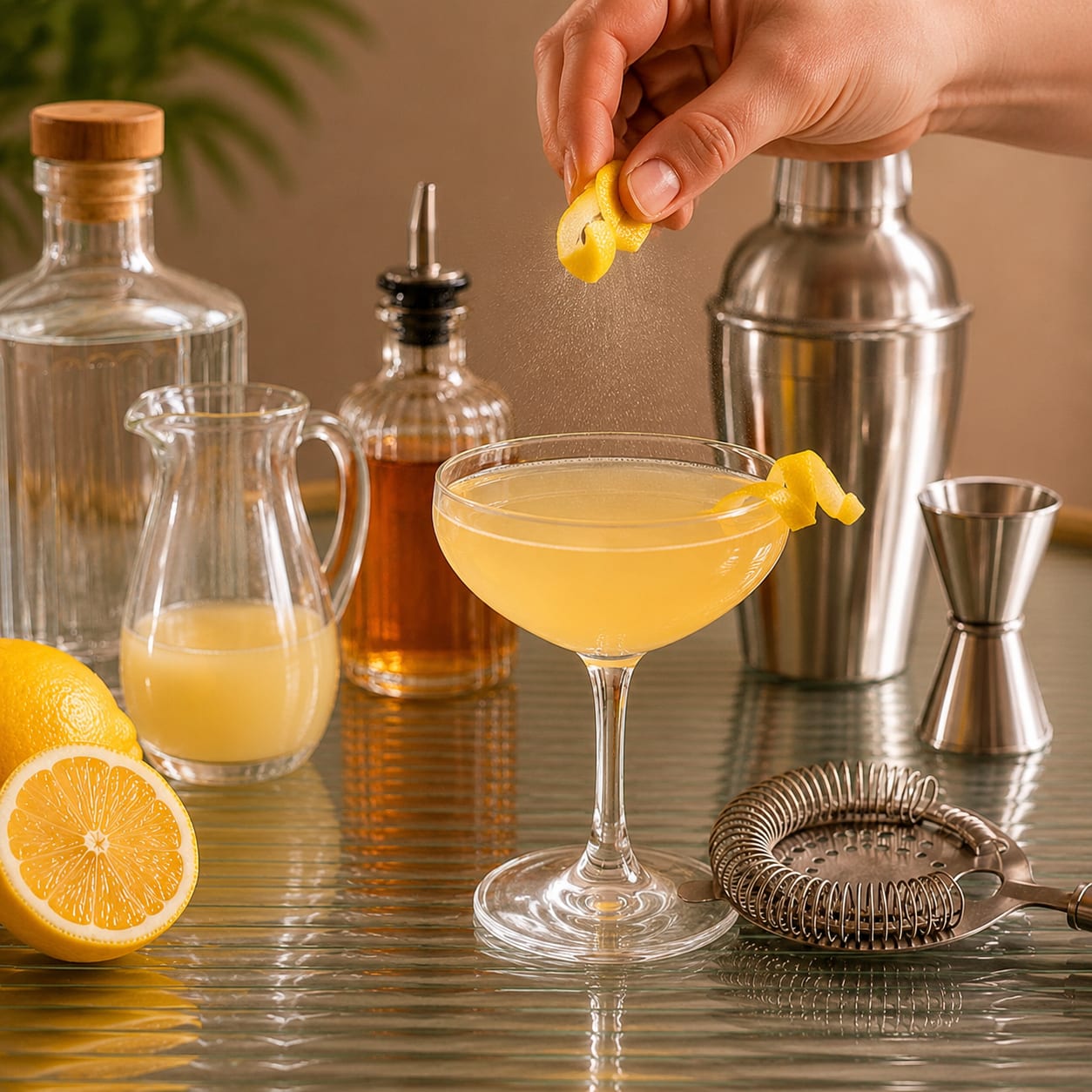
    Take your lemon peel and hold it over the drink, colored side facing down. Give it a quick twist or pinch to release the lemon oils onto the surface of the drink — you'll see them spray as little dots. Drop the twist into the glass or rest it on the rim.

    Step 5 — how to make Bee's Knees

    !Twisting the peel colored side up — the oils spray away from the drink instead of onto it.

Serve

Serve it right away in the chilled coupe — this drink doesn't sit well because the honey sweetness gets cloying as it warms up. No ice in the glass.

Variations

Ingredient substitutions

Each row shows what you can swap in place of an original ingredient, and how the drink changes.

Swap options for Gin

  • GinVodka
    Match
    Common availability

    GinVodka: Loses all the botanical character — the drink becomes a simple honey-lemon sour without much personality.

  • GinLight rum
    Match
    Common availability

    GinLight rum: Adds a subtle sweetness and cane character that pairs well with honey, but loses the floral and herbal notes.

Swap options for Honey syrup

  • Honey syrupSimple syrup
    Match
    Common availability

    Honey syrupSimple syrup: Loses the floral depth and thicker mouthfeel — the drink becomes a standard gin sour, cleaner but less interesting.

  • Honey syrupAgave nectar
    Match
    Common availability

    Honey syrupAgave nectar: Similar sweetness level with a lighter, more neutral flavor — works fine but tastes less rich and rounded.

  • Honey syrupMaple syrup
    Match
    Common availability

    Honey syrupMaple syrup: Adds an earthy, woody sweetness that changes the drink significantly — interesting but no longer a Bee's Knees.

Related

Similar cocktails

Cousin drinks that share DNA with this one — each profile stands on its own.

Gin Sour

Similar cocktail

Gin Sour

The Gin Sour uses simple syrup instead of honey syrup, making it cleaner and less floral.

Match

They drink similarly, but the Bee's Knees feels softer and more aromatic because honey adds depth that simple syrup lacks. The Gin Sour is sharper and more straightforward.

In common: gin-citrus base, shaken and served up, sour family

Ingredients

Both share

Gin, Lemon juice

Only in Bee's Knees

Honey syrup

Only in Gin Sour

Simple syrup

The only difference is the sweetener — honey syrup gives the Bee's Knees a floral richness and rounder body that simple syrup doesn't have.

Flavor

Shared flavors

gin-citrus backbone, tart and refreshing, clean finish

How Gin Sour differs

rounder body, more floral, sweeter perception

View recipe & details →
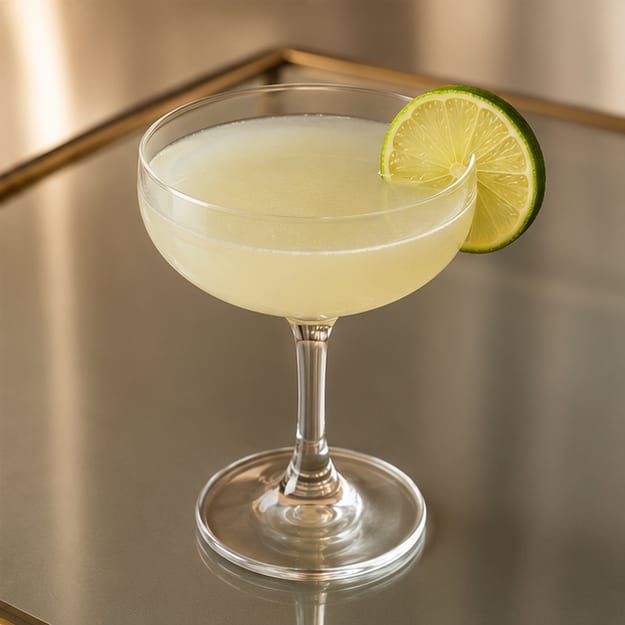
Gimlet

Similar cocktail

Gimlet

The Gimlet uses lime and simple syrup, making it sharper and more austere than the honey-rounded Bee's Knees.

Match

The Gimlet is tighter and more precise, with lime's focused acidity cutting straight through. The Bee's Knees is softer and more languid, with honey smoothing out the edges.

In common: gin-forward, shaken and served up, citrus-sweet balance

Ingredients

Both share

Gin

Only in Bee's Knees

Lemon juice, Honey syrup

Only in Gimlet

Lime juice, Simple syrup

Different citrus and different sweetener — lime gives the Gimlet a tighter, more focused acidity, while honey gives the Bee's Knees a broader, rounder sweetness.

Flavor

Shared flavors

gin botanicals up front, citrus-sweet balance, cold and refreshing

How Gimlet differs

sharper acidity, less body, more austere

View recipe & details →

White Lady

Similar cocktail

White Lady

The White Lady adds orange liqueur, which gives it a boozier, more complex profile with an orange-citrus layer the Bee's Knees doesn't have.

Match

The White Lady is boozier and more angular, with the orange liqueur adding a sharp citrus intensity. The Bee's Knees is gentler and more floral, with honey rounding everything off.

In common: gin-lemon base, shaken and served up, sour family

Ingredients

Both share

Gin, Lemon juice

Only in Bee's Knees

Honey syrup

Only in White Lady

Orange liqueur

The White Lady swaps honey syrup for orange liqueur, adding both sweetness and a concentrated orange flavor along with more alcohol.

Flavor

Shared flavors

gin-lemon backbone, citrus-forward, shaken texture

How White Lady differs

stronger, orange notes, drier finish

View recipe & details →

History

Origin

The Bee's Knees emerged during Prohibition, likely as a way to make bathtub gin drinkable — the honey and lemon did a good job of covering up rough spirit. The name comes from 1920s slang meaning 'the best,' though no specific bartender or bar has been credited with its invention. Multiple sources place it in the late 1920s, but the exact origin is disputed.

Era
1920s
Confidence

The exact origin and creator are unknown — the Prohibition-era dating is widely cited but not definitively sourced. The honey syrup ratio varies across recipes; 2:1 honey to water is the most common modern standard.

Practical

Tips & pitfalls

What works at home and what to skip when making this drink.

Tips

Worth knowing before you pour

  • Make honey syrup in batches — it keeps in the fridge for about two weeks.
  • Taste your honey before making the syrup — a strongly flavored honey like buckwheat will overpower the gin.
  • Shake harder than you think — honey needs that extra agitation to blend properly.
  • If the drink tastes too sweet, add another quarter ounce of lemon juice.

Avoid

Common mistakes

  • Don't use straight honey — it seizes up in cold liquid and won't mix in.
  • Don't skip the lemon twist — the oils on top tie the aroma together.
  • Don't let the drink sit — it gets cloying as it warms up.