cocktaildna

London, United Kingdom

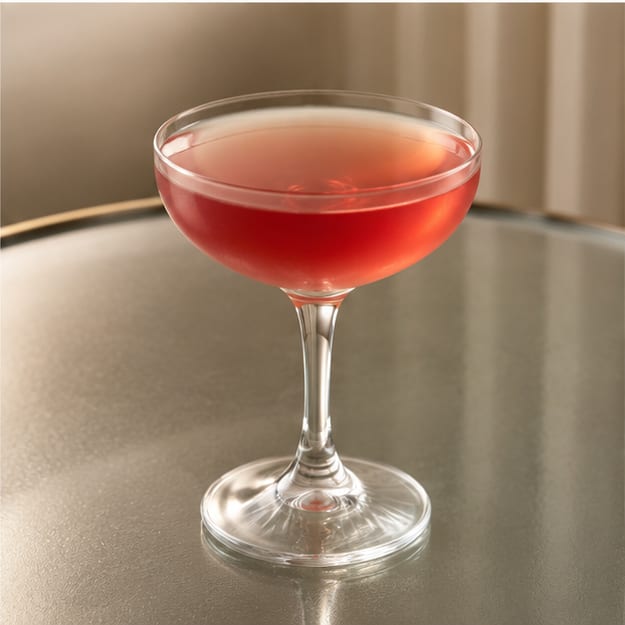
Angel Face

A short, stirred equal-parts cocktail that leans heavily into stone fruit and botanical notes with a bitter edge.

apricotcherryginsweetstone-fruitbotanicalstirredequal-partsno-citrusclassic

%

ABV

Difficulty

Angel Face

Overview

What this drink is like

The first sip hits you with sweet cherry and soft apricot, but the gin cuts through fast with pine and dry heat. The middle is a tug-of-war between the fruit and the alcohol, ending with a lingering, slightly bitter cherry-pit note from the apricot brandy.

Who will like it

This is for people who like spirit-forward drinks but want something fruitier and less bitter than a Negroni.

When to drink

Drink this before dinner as an aperitif, when you want something short and stiff to wake up your palate.

Ordering tip

Ask the bartender if they use a real apricot brandy like Rothman & Orchard—cheap apricot liqueur will make the drink cloyingly sweet.

Ice: NoneTemp: ColdCost: $3–$6Glass: CoupeBatch-friendlyHome bar friendly

Flavor

Taste profile

This is a sweet, fruit-forward drink that relies on gin to keep it from tasting like candy. You get ripe apricot and cherry flavors right up front, followed by a dry, piney bite from the spirit. Because there's no citrus to cut the sweetness, it sits heavier on the tongue than a sour, making it feel more like a sipping drink than a refreshing one. The finish leaves you with a lingering stone-fruit sweetness and a hint of bitterness from the apricot pits.

Finish: The finish runs medium-long, with sweet fruit fading into a dry, slightly bitter cherry-pit note and the warm hum of gin.

Primary tastes

sweetfruityherbal

Secondary

bitterfloral

Aroma

apricotpinepomegranate
  • Bitternessmildly bitter

    A faint bitterness from the apricot pit and gin botanicals shows up on the finish but doesn't dominate.

  • Sweetnessquite sweet

    Two-thirds of the drink is sweet liqueur and syrup, so it leans firmly toward the sweet side.

  • Strengthmoderately strong

    The gin brings solid alcohol heat, but the sugar from the other ingredients masks the bite a bit.

  • Refreshingsomewhat heavy

    Without citrus or carbonation, the drink feels dense and warming rather than crisp or thirst-quenching.

  • Creaminesslight body

    The grenadine gives the drink a slightly syrupy weight on the tongue, but it's still a clear, stirred cocktail.

  • Complexitymoderately complex

    The three ingredients pull in different directions—botanical, fruity, and sweet—giving the sip some layers to unpack.

Recipe

Make it at home

Stirred · Coupe · equal parts on Gin. London Dry recommended so the botanicals punch through the sweet liqueurs

Before you start

Put your coupe glass in the freezer for at least ten minutes so it's frosty when you pour. Grab solid, large ice cubes for stirring—they melt slower and keep the drink from getting watery.

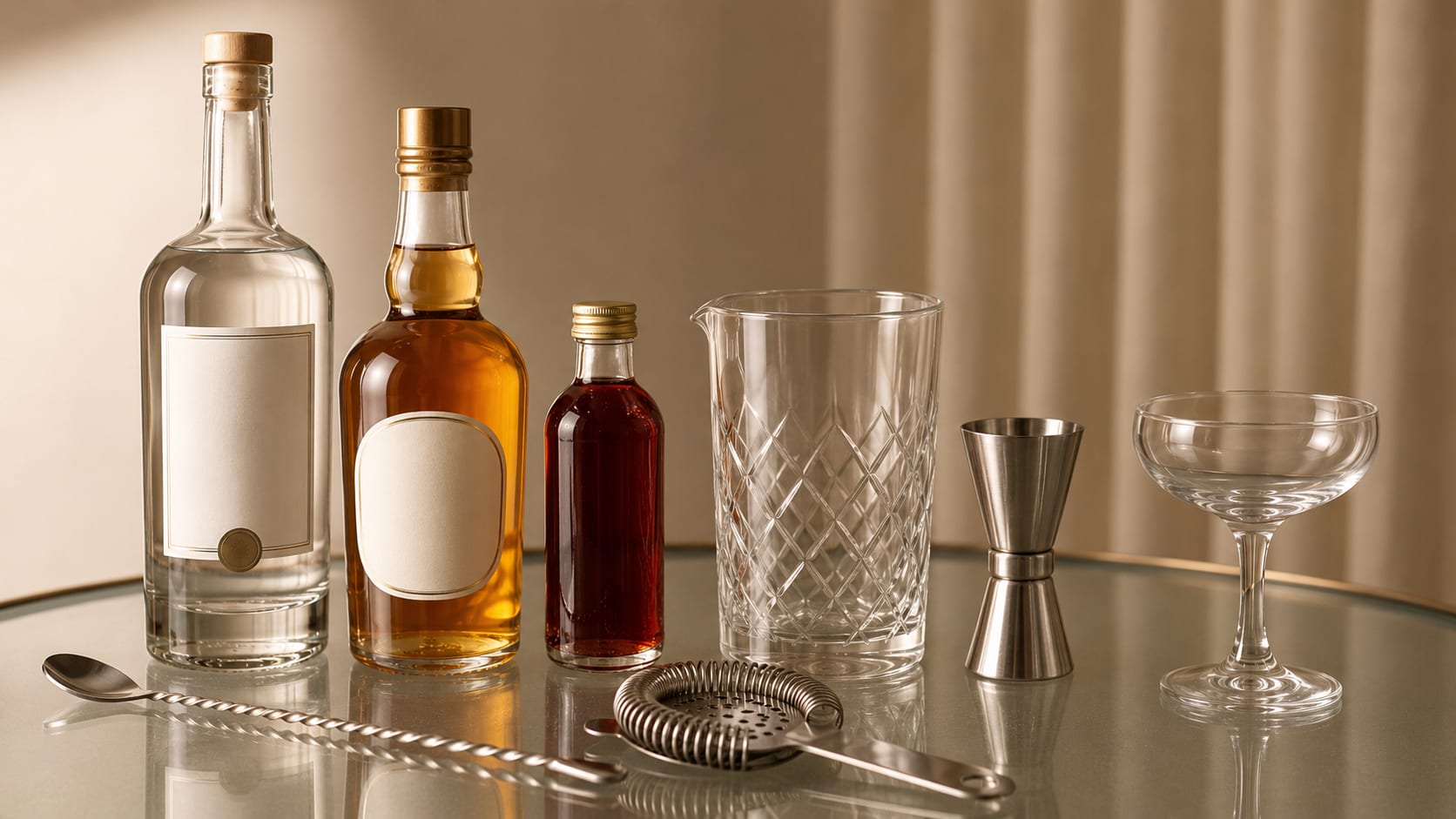
Ingredients

  • GinBase Spirit30ml
  • Apricot BrandyLiqueurA dry, traditional apricot brandy works best, not a sticky-sweet liqueur30ml
  • GrenadineSyrupUse real pomegranate grenadine, not bright red corn syrup30ml

Tools

  • Mixing glass · Mixing

    To combine and chill the ingredients with ice without shaking them cloudy

    At home: A large pint glass or wide-mouth jar

  • Jigger · Measuring

    To measure the equal parts of each ingredient accurately

    At home: A shot glass or measuring spoons

  • Bar spoon · Mixing

    To stir the drink smoothly and chill it without adding too much water

    At home: A long dinner knife or chopstick

  • Hawthorne strainer · Straining

    To hold back the ice when pouring the drink into the glass

    At home: A slotted spoon or fine mesh sieve

  • Coupe glass · Serving

    To serve the drink chilled and stem-held so it stays cold in your hand

    At home: A small wine glass or shallow bowl glass

Ingredients and tools to make Angel Face
Ingredients and tools

Steps

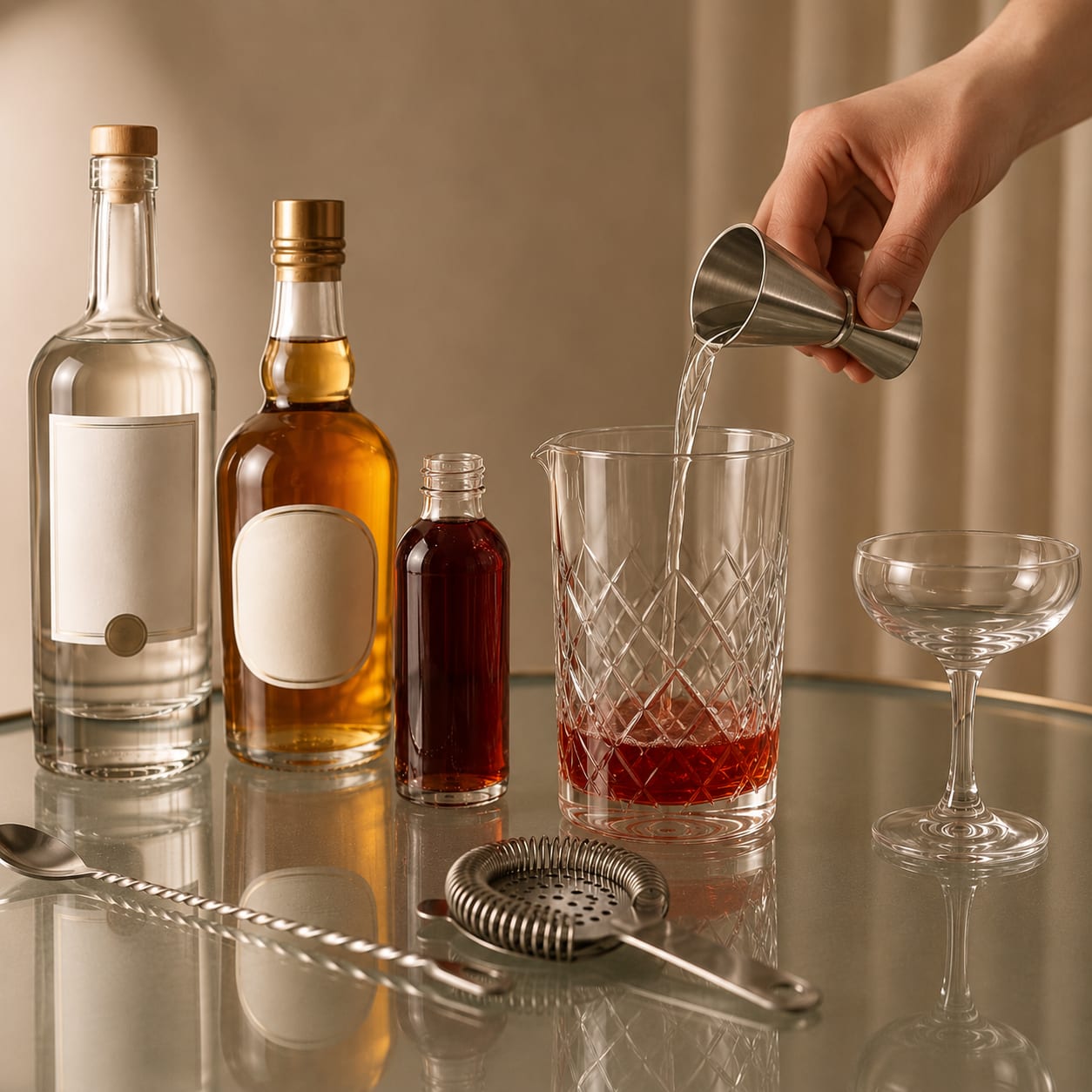
  1. 1

    Measure 30ml of gin, 30ml of apricot brandy, and 30ml of grenadine using your jigger, and pour them all into the mixing glass. The equal amounts are what make this drink work, so take a second to double-check your pours.

    Step 1 — how to make Angel Face

    !Eyeballing the pours instead of measuring throws off the delicate equal-parts balance.

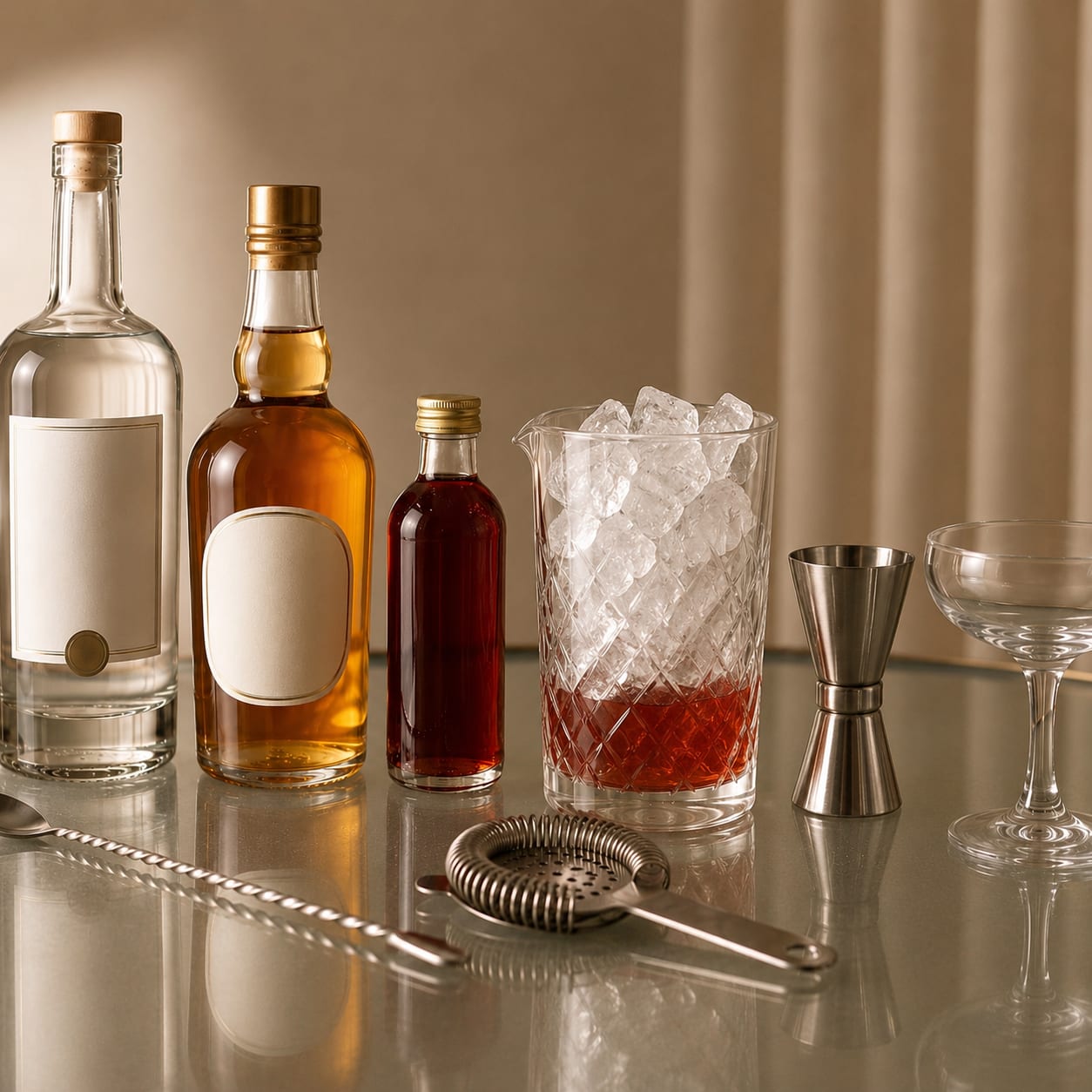
  2. 2

    Fill the mixing glass about three-quarters full with ice, making sure the ice sits above the level of the liquid. The ice should be packed enough to chill the drink quickly but loose enough for your spoon to move.

    Step 2 — how to make Angel Face

    !Using small, cracked ice makes the drink watery before it gets cold enough.

  3. 3

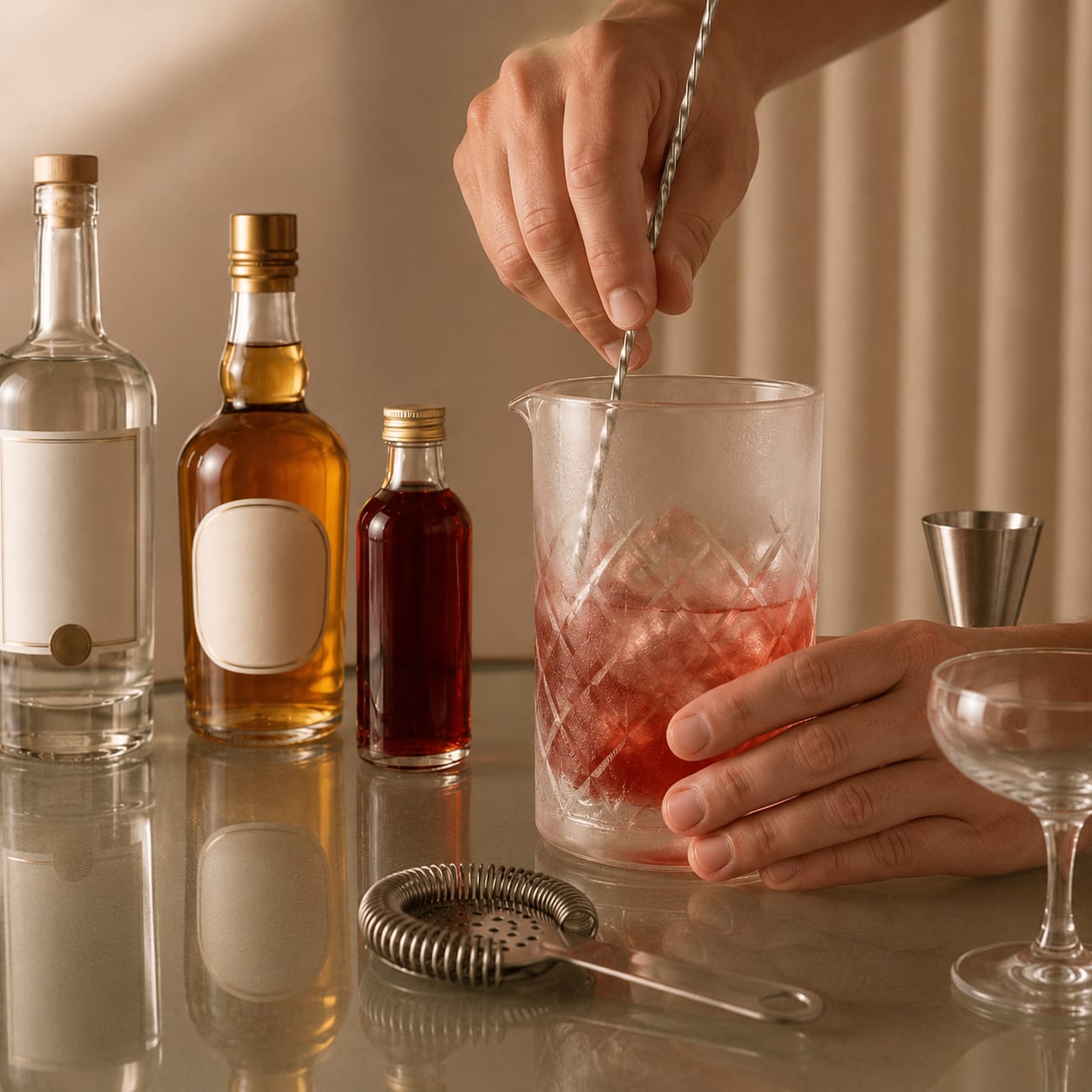
    Stir the mixture steadily with your bar spoon for about twenty to thirty seconds, moving the ice smoothly around the glass. Keep going until the outside of the mixing glass feels very cold to the touch and frosty—that's how you know it's properly chilled and diluted.

    ~25s

    Step 3 — how to make Angel Face

    !Stirring too fast chips the ice and waters down the drink instead of just chilling it.

  4. 4

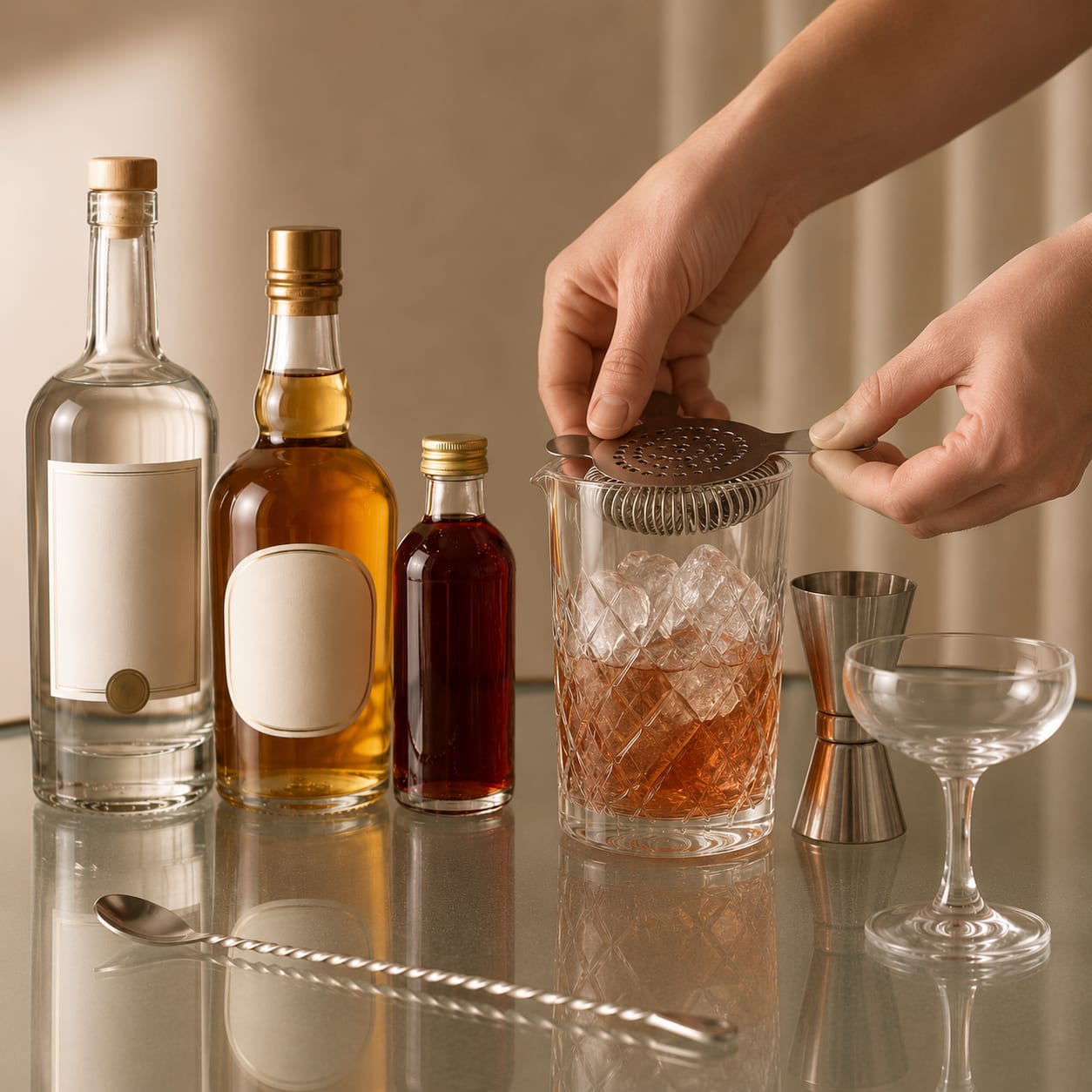
    Take your chilled coupe glass out of the freezer and set it on the counter. Place the Hawthorne strainer over the top of the mixing glass, making sure the spring sits snugly inside the rim to catch the ice.

    Step 4 — how to make Angel Face

    !Holding the strainer loosely lets ice chips slip into the finished drink.

  5. 5

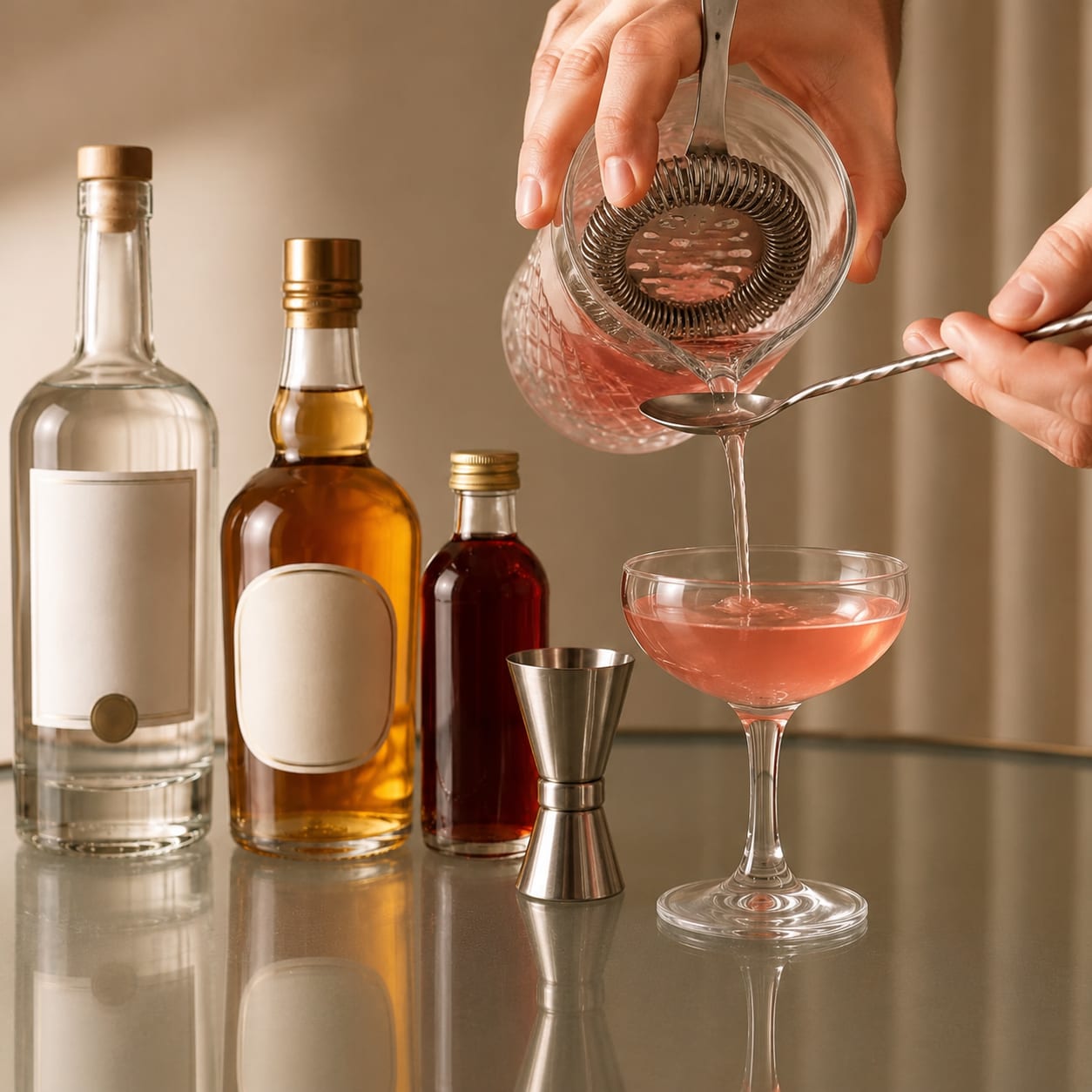
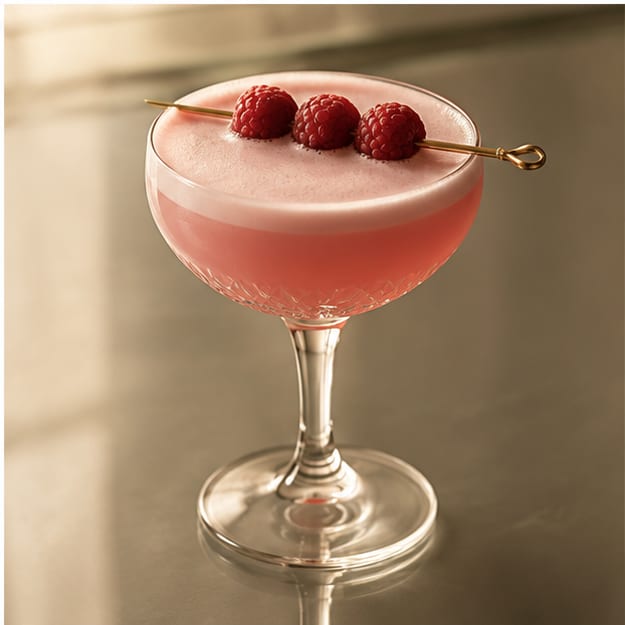
    Pour the drink through the strainer into the chilled coupe glass, letting it flow smoothly off the spoon if needed. The drink should look clear and have a soft, pale pink color without any ice bits floating in it.

    Step 5 — how to make Angel Face

    !Pouring too fast can splash the drink over the rim of the small glass.

Serve

Serve it right away in the chilled coupe while it's still frosty. There's no garnish, so the drink stands on its own—just hand it over and let it warm up slowly as you sip.

Variations

Ingredient substitutions

Each row shows what you can swap in place of an original ingredient, and how the drink changes.

Swap options for Apricot Brandy

  • Apricot BrandyApricot Liqueur
    Match
    Common availability

    Apricot BrandyApricot Liqueur: Makes the drink noticeably sweeter and less earthy, losing the bitter pit note.

Swap options for Grenadine

  • GrenadinePomegranate Molasses diluted with water
    Match
    Specialty availability

    GrenadinePomegranate Molasses diluted with water: Adds a deeper, tarter, and more earthy pomegranate flavor instead of simple sweetness.

Related

Similar cocktails

Cousin drinks that share DNA with this one — each profile stands on its own.

Clover Club

Similar cocktail

Clover Club

The Clover Club adds lemon juice and an egg white, making it a tart, frothy sour instead of a stiff stirred drink.

Match

While both drinks taste of gin and pomegranate, the Clover Club is bright, tart, and fluffy, whereas the Angel Face is flat, sweet, and heavy on the apricot.

In common: gin-based, fruit-forward, pink-hued

Ingredients

Both share

Gin, Grenadine

Only in Angel Face

Apricot Brandy

Only in Clover Club

Lemon Juice, Egg White

The Angel Face swaps out the Clover Club's citrus and egg for apricot brandy, turning a frothy sour into a dense, sweet stirred drink.

Flavor

Shared flavors

soft berry fruitiness from the grenadine, botanical backbone from the gin

How Clover Club differs

sharper and more acidic, lighter mouthfeel from the egg white foam, no stone fruit notes

View recipe & details →
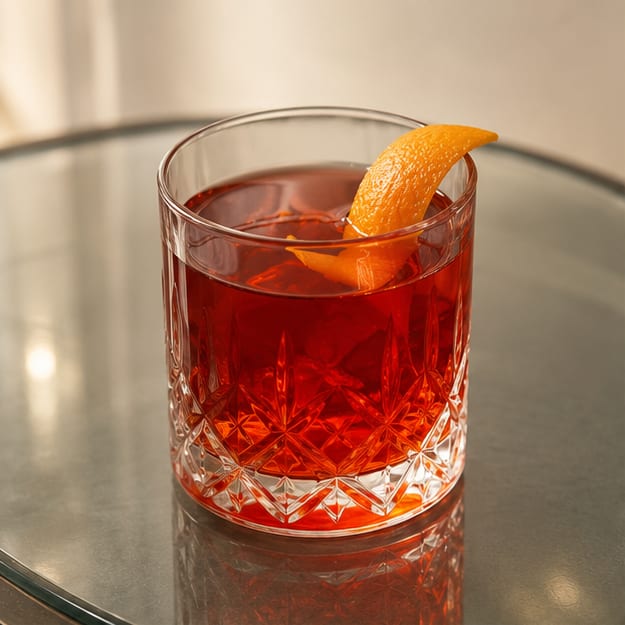
Negroni

Similar cocktail

Negroni

The Negroni uses Campari and sweet vermouth, making it firmly bitter and herbal instead of sweet and fruity.

Match

The Negroni is a bitter, bracing aperitif, while the Angel Face is a sweeter, fruit-driven sipper that goes down easier if you dislike bitterness.

In common: equal-parts recipe, stirred, served up, spirit-forward

Ingredients

Both share

Gin

Only in Angel Face

Apricot Brandy, Grenadine

Only in Negroni

Campari, Sweet Vermouth

Both drinks share an equal-parts gin template, but the Angel Face replaces the bitter Campari and herbal vermouth with sweet fruit components.

Flavor

Shared flavors

strong gin presence, stiff serving strength

How Negroni differs

much more bitter, drier finish, herbal and woody instead of fruity

View recipe & details →

History

Origin

The Angel Face first appeared in print in the 1930 Savoy Cocktail Book by Harry Craddock, though it was likely mixed in London hotels a few years earlier. Its exact creator is unknown, and the drink is one of the few classic equal-parts cocktails from that era that skips vermouth entirely.

Era
1920s
IBA
The Unforgettables
Data version
IBA current spec
Confidence

The IBA official recipe specifies equal parts of all three ingredients, which is the standard spec used here. Some modern bartenders reduce the grenadine slightly to dry out the drink.

Practical

Tips & pitfalls

What works at home and what to skip when making this drink.

Tips

Worth knowing before you pour

  • Use real pomegranate grenadine to avoid an artificial candy flavor.
  • Seek out a dry-style apricot brandy like Rothman & Orchard for better balance.
  • Stir a little longer than you think to dilute the heavy sweetness properly.

Avoid

Common mistakes

  • Do not shake this drink or it will go cloudy and lose its silky texture.
  • Avoid cheap neon-red grenadine, it ruins the delicate flavor.
  • Don't skip chilling the glass, the drink gets flabby as it warms.